
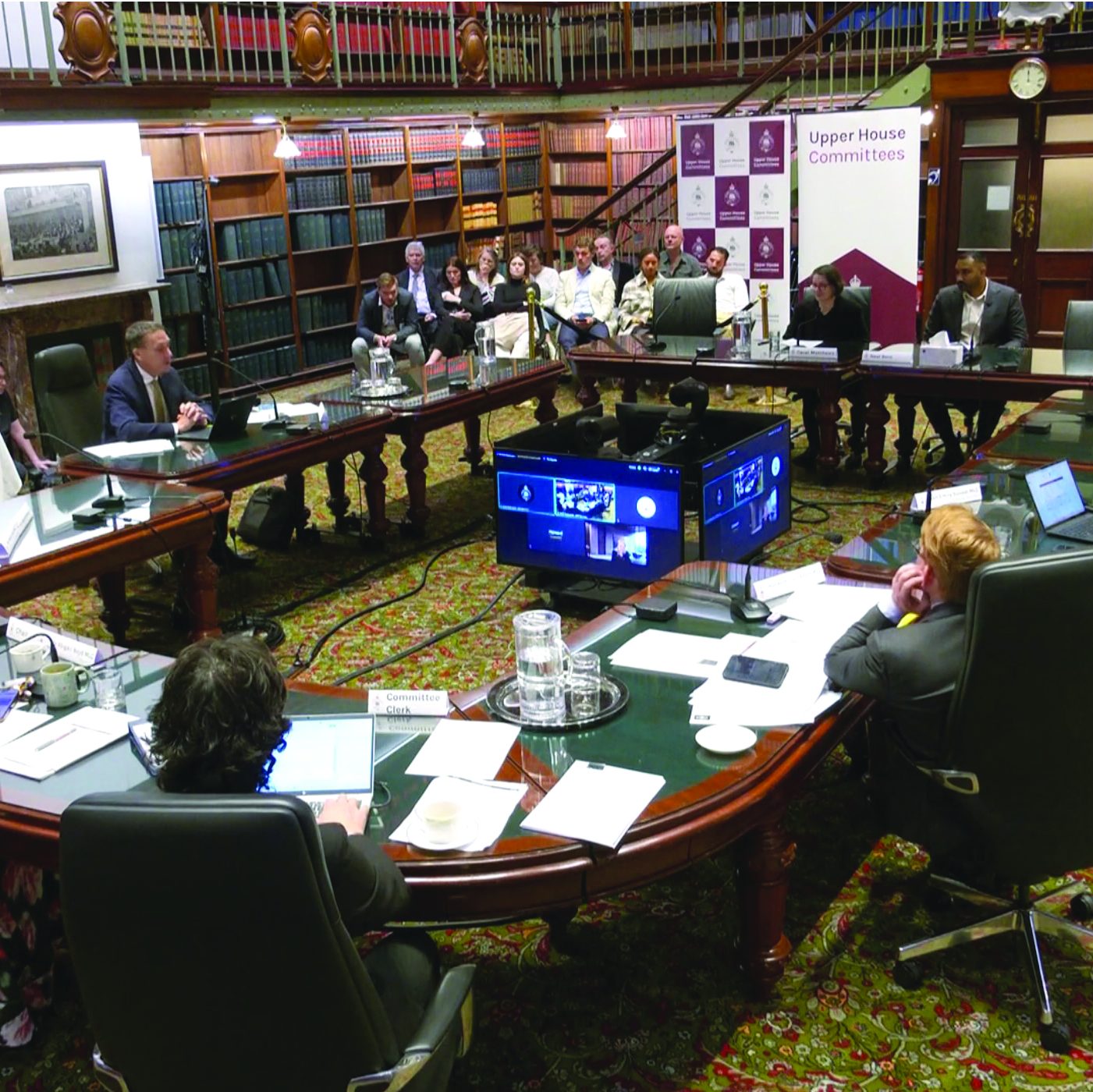
Heavy-handed control of students through excessive restrictions on dress, study choices and contact with the outside world are just some of the concerns raised at a NSW parliamentary inquiry into Redeemer Baptist School.
The inquiry was launched after media reports alleged the school in North Parramatta had not paid teachers, which it classified as “volunteers” rather than employees.
IEUA NSW/ACT Branch Secretary Carol Matthews on 10 August told the inquiry the school’s reliance on unpaid work by students and “volunteers” was highly unusual.
“I’m not aware of any other school where all core teaching duties are performed by volunteers,” she said.
Chilling effect
Matthews told the inquiry other conservative religious schools employ teachers who are covered by union-negotiated agreements that ensure proper pay and conditions.
Questions were also raised as to whether the school had complied with work health and safety and workers’ compensation laws.
Matthews said the school appeared to exert extreme control over staff and students, limiting their contact with the outside world.
“This has had a chilling effect on staff seeking union support,” she said. “Redeemer claims an entitlement to take control of staff property, exerting a high degree of financial control.”
Teachers and professional and operational staff in non-government schools are covered by enterprise agreements that provide for salaries broadly comparable with salaries paid to teachers and support staff in NSW government schools.
If there is no enterprise agreement, a minimum federal award and legislated conditions (including superannuation) apply.
It appears that the school’s teacher “volunteers” are not receiving even these minimum conditions.
“The IEU has talked to several former staff and is working to ensure the school meets its legal obligations to them,” Matthews said.
Staff not paid properly
The union’s submission to the inquiry examined Redeemer’s unorthodox work arrangements.
The school appears to regard staff as volunteers or members of a religious order – not employees.
They are either not paid at all or given a monthly stipend of about $2000.
However, there are questions about whether the work undertaken by volunteers amounts to employment.
The submission raised concerns about whether Redeemer has complied with employment obligations, including minimum wage requirements, superannuation contributions, leave entitlements and workers compensation.
The union notes that wages paid to a teacher in a non-government school under the modern award range from $78,979 for a conditionally accredited teacher to $101,629 for an experienced proficient teacher.
Most staff in non-government schools are covered by enterprise agreements that pay higher than the award rates.
“For teachers, enterprise agreement salaries typically range from about $90,000 for a new graduate to around $130,000 for an experienced teacher not holding a promotions position,” the submission said.
Manual labour performed by students
The IEU’s submission also expressed concerns that students from the Redeemer community in Year 7 and older were required to perform manual work on a weekly basis that went “far beyond usual teenage chores such as tidying their room or washing up”.
“Students may be required to mow the lawns (using ride-on mowers), dig trenches and carry out maintenance on buildings, wash buses, etc,” the submission said.
These activities raise serious work health and safety issues as they involve potentially hazardous equipment, physical labour and maintenance work ordinarily undertaken by experienced workers.
Child safety issues
The union’s submission highlighted instances of overseas students accommodated in a room with other students and staff members in contravention of best practice guidelines applying to “homestay” arrangements that stipulate all students should have their own room.
“These arrangements would seem to raise possible child protection and duty of care issues and raise questions about how Redeemer managed their legal responsibilities in this area,” the submission said.
Published in the August 2026 edition of Newsmonth.