Australia does not suffer from a lack of truth-telling about the devastating impacts of colonisation on Aboriginal and Torres Strait Islander peoples.
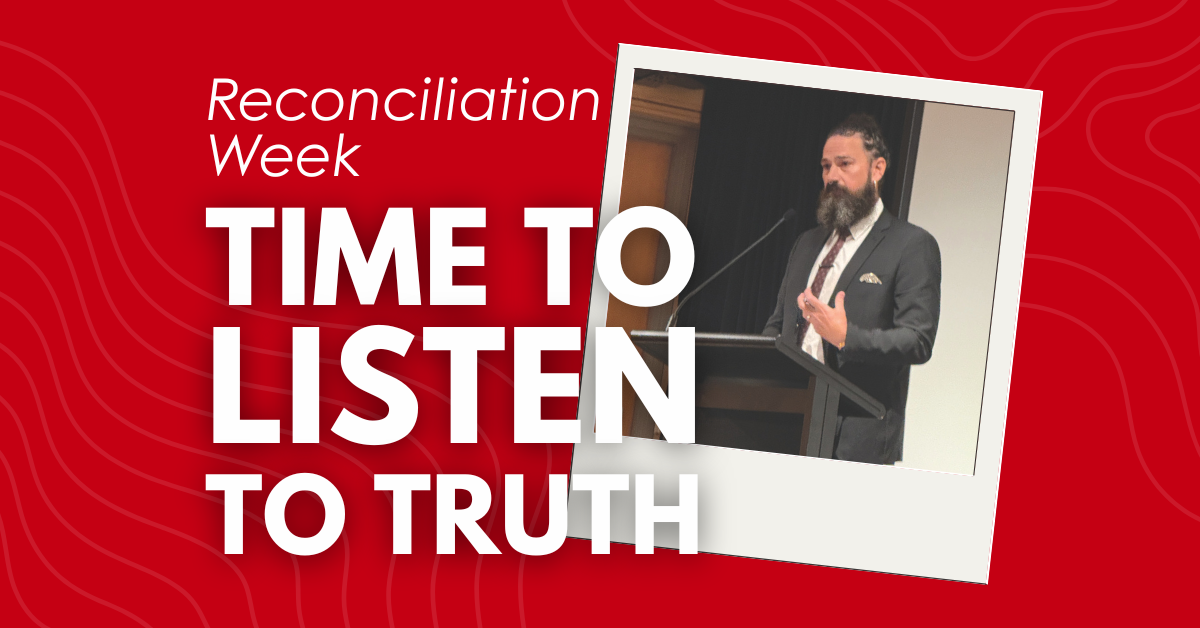
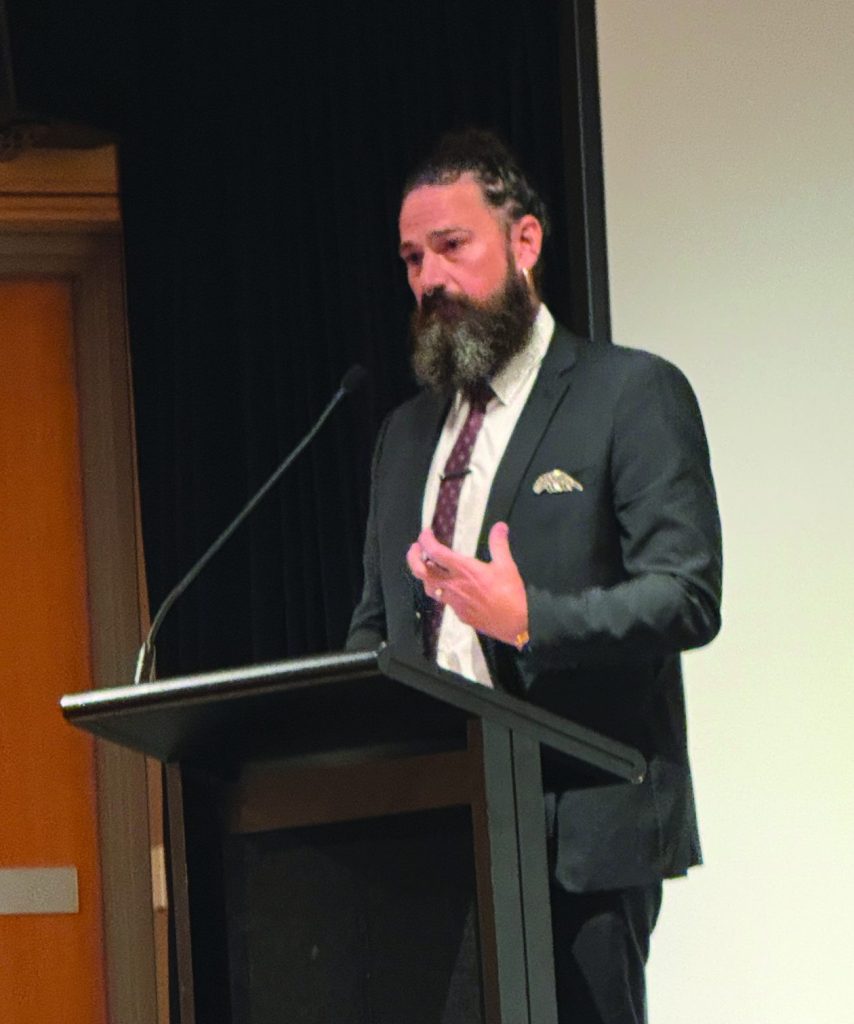
From 19th-century newspaper accounts of massacres to royal commissions into deaths in custody and the stolen generations, the “truth of this country has been told and told and told again”, said Blake Alan Cansdale (pictured).
“Truth is not hiding from Australia, rather Australia has been hiding from the truth.”
The Great Australian Silence
A lawyer and national director of advocacy group ANTAR, Cansdale delivered the keynote speech as part of Truth-listening: Readying Australia for truth held at the University of Technology Sydney (UTS) during Reconciliation Week in May.
This failure to listen to the truth being repeatedly told was identified more than 50 years ago by anthropologist W.E.H Stanner, who coined the term “The Great Australian Silence”.
“He did not mean that no truth had ever been told in Australia’s black history,” Cansdale said.
“We have conveniently developed a collective amnesia in respect of our recognition of the blood, sweat and tears that it took to build the contemporary Australian nation.
“The Great Australian Silence is not benign, nor is it accidental. It is violent, it is deliberate, and it is a silence of a country that’s decided time and again that the comfortability of its own self-image matters more than affording truth, justice and equity to its people.”
Truth-listening
Cansdale said breaking this silence requires “truth-listening”, which means more than polite head nodding.
“It certainly can’t be about the passive absorption of words without taking on the emotional underpinnings of those words,” he said.
“Truth-listening is less about receiving the written or spoken word. It’s more about how we store, how we reflect on and how we ultimately use truth to influence our behaviors and our actions.”
Cansdale said too few Australians were prepared to “engage in genuine truth because it comes with conditions and it requires something of the listener”.
“It often costs them something too,” he said.
However, Cansdale said this seemed like a small price to pay given the “benefits that have flowed to non-Indigenous Australians from the business of dispossession”.
Cansdale said truth-listening required, as Professor Robynne Quiggin AO said, “non-Indigenous people to be open to complexity and uncertainty, and to accept discomfort as a norm”.
Cansdale also distinguished between allies, who “matter immensely” but whose support has a ceiling, and accomplices who are prepared to “get their hands dirty”.
“They’re in it for the long haul, regardless of the personal or professional cost,” he said.
Supporting teachers
Cansdale’s speech was followed by a panel discussion featuring UTS Chancellor and Reconciliation Australia co-chairman Michael Rose, UTS industry professor Lorena Allam and UTS history professor Anna Clark.
Clark, who created the Hey History! podcast for primary schools, said an idea had developed that history should exclusively instil national pride and “uncomfortable stories should be curated out of children’s education”.
“You can feel proud to be Australian and understand that history is difficult, and it has uncomfortable truths,” she said. “Kids absolutely get that.
“I think the key is how do we help teachers feel strong and confident enough to teach that difficult history?”
Clark said teachers were crucial to the concept of truth-listening.
Since it was not possible to have an Indigenous person in every classroom, she encouraged teachers to embrace their role in teaching the truth of Australian history.
“You might be afraid that you’ll say the wrong thing or you might not use the right words, and you might be sort of muddling your way through,” she said. “But the alternative is silence.”
Published in the June 2026 edition of Newsmonth.