Close encounters of the wild kind
Nestled in a blue woollen beanie, Marlow is initially shy as Taronga Zoo education officer Alexandra Heagney introduces him to members at the IEU environment conference.
However, the ring-tailed possum eventually pops his head up and allows Alexandra to unfurl his tail and reveal his opposable thumbs.
Marlow’s curly prehensile tail helps him grip and hold onto tree branches.
“The thumbs are not just for playing Minecraft, but for gripping and holding,” Alexandra said.
Hands-on experiences
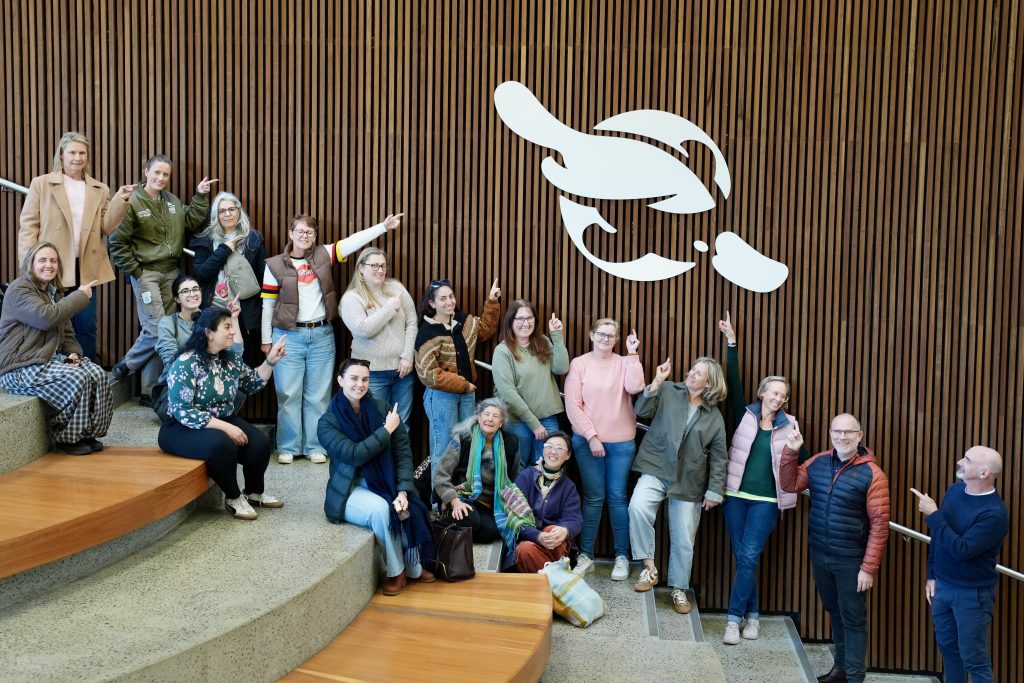
Marlow was one of several zoo residents encountered by members at the conference on 7 August.
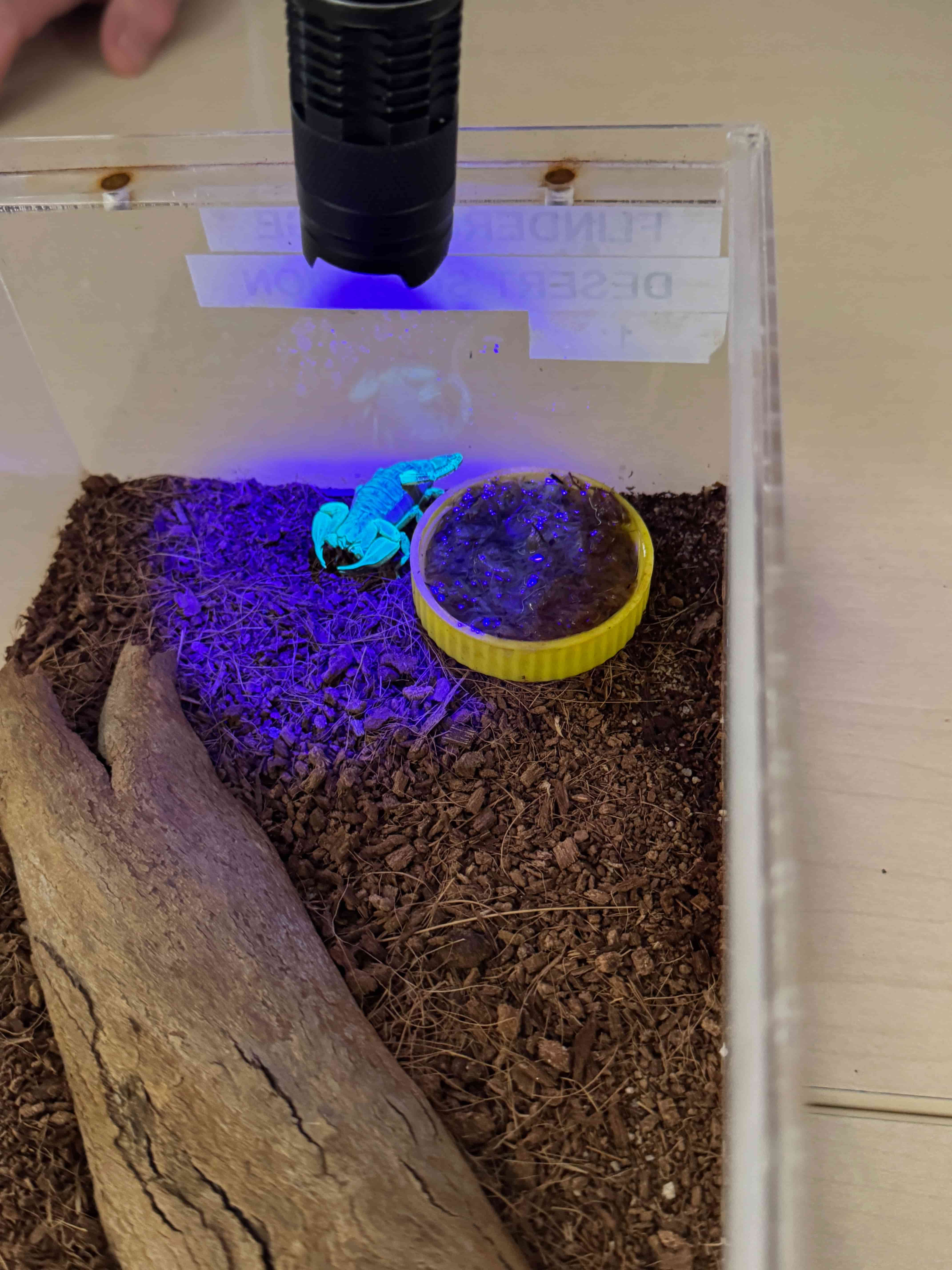
He was joined by pythons, pygmy marmosets, a sleepy koala and luminescent scorpion, to name a few.
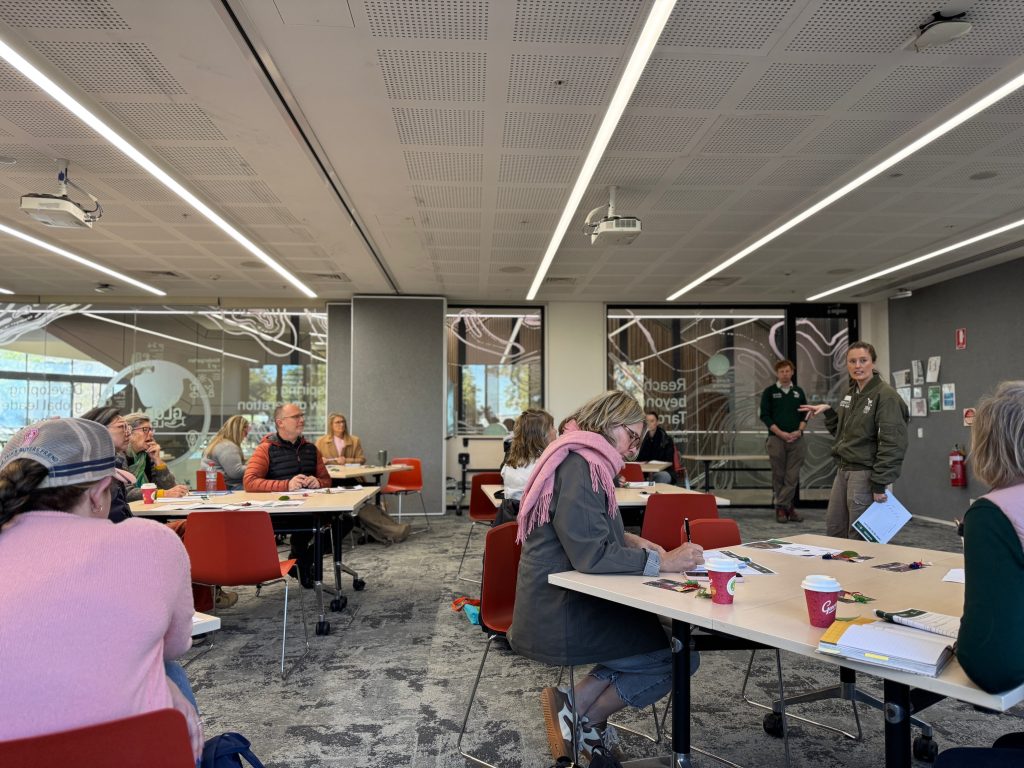
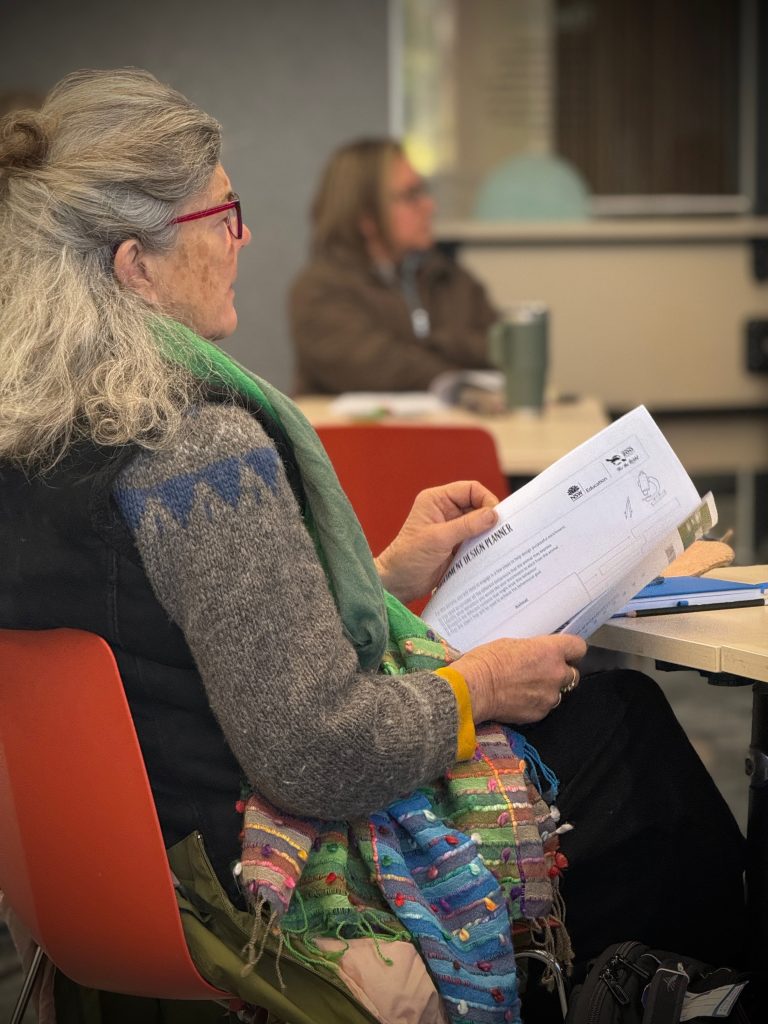
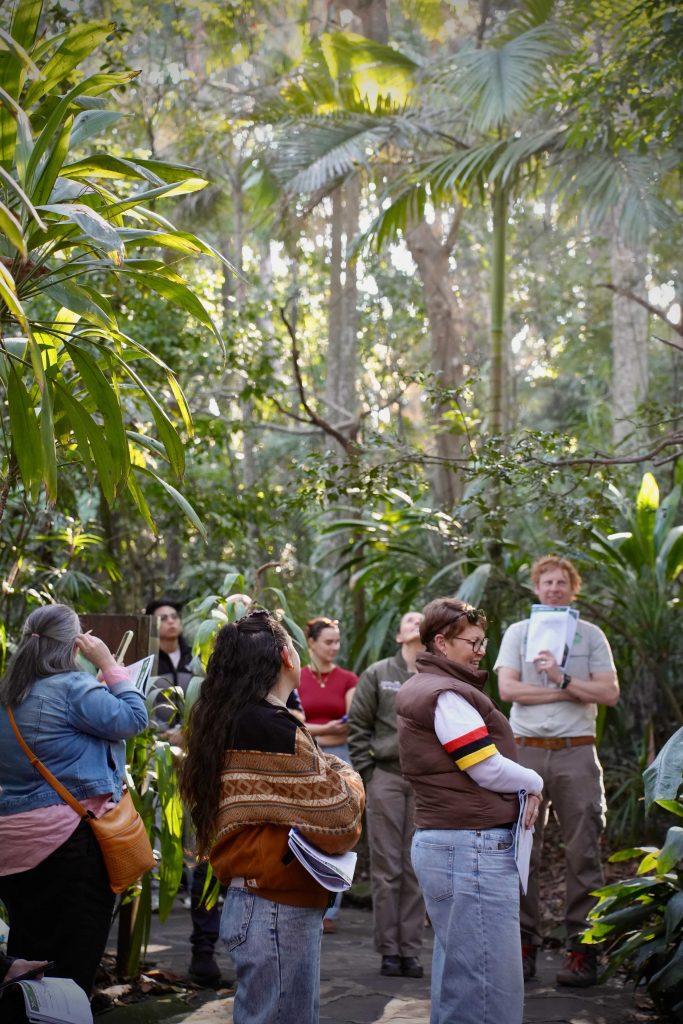
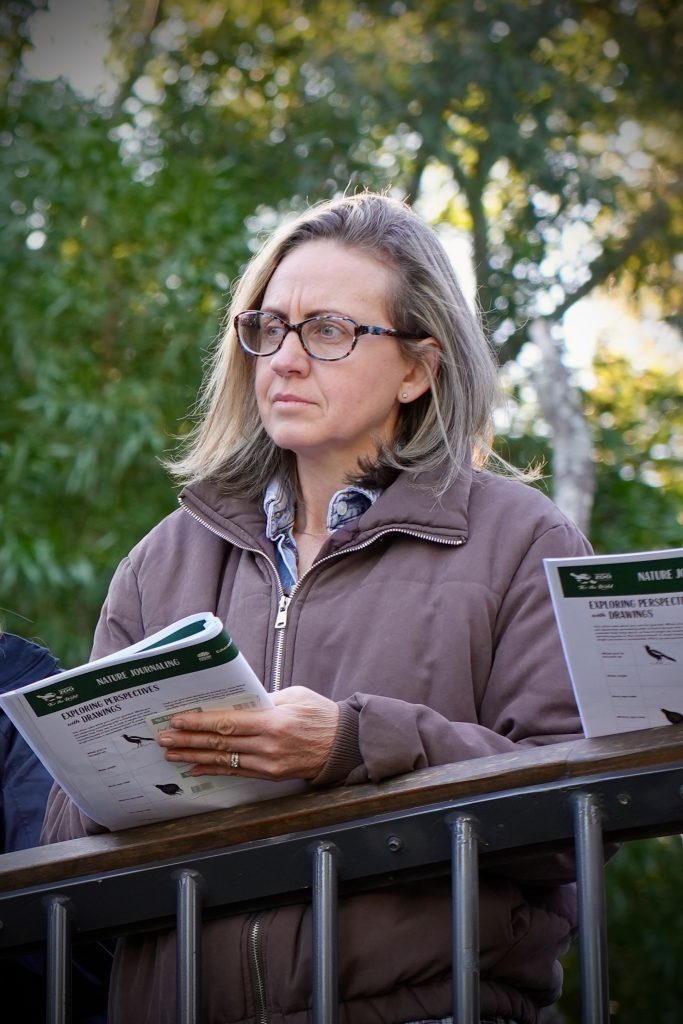
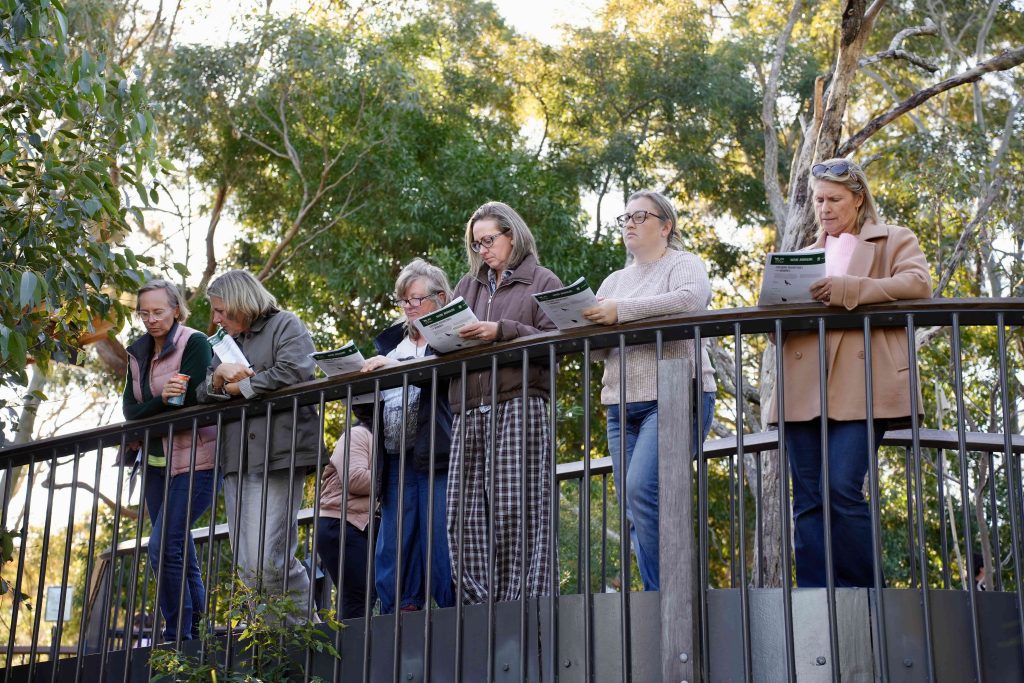
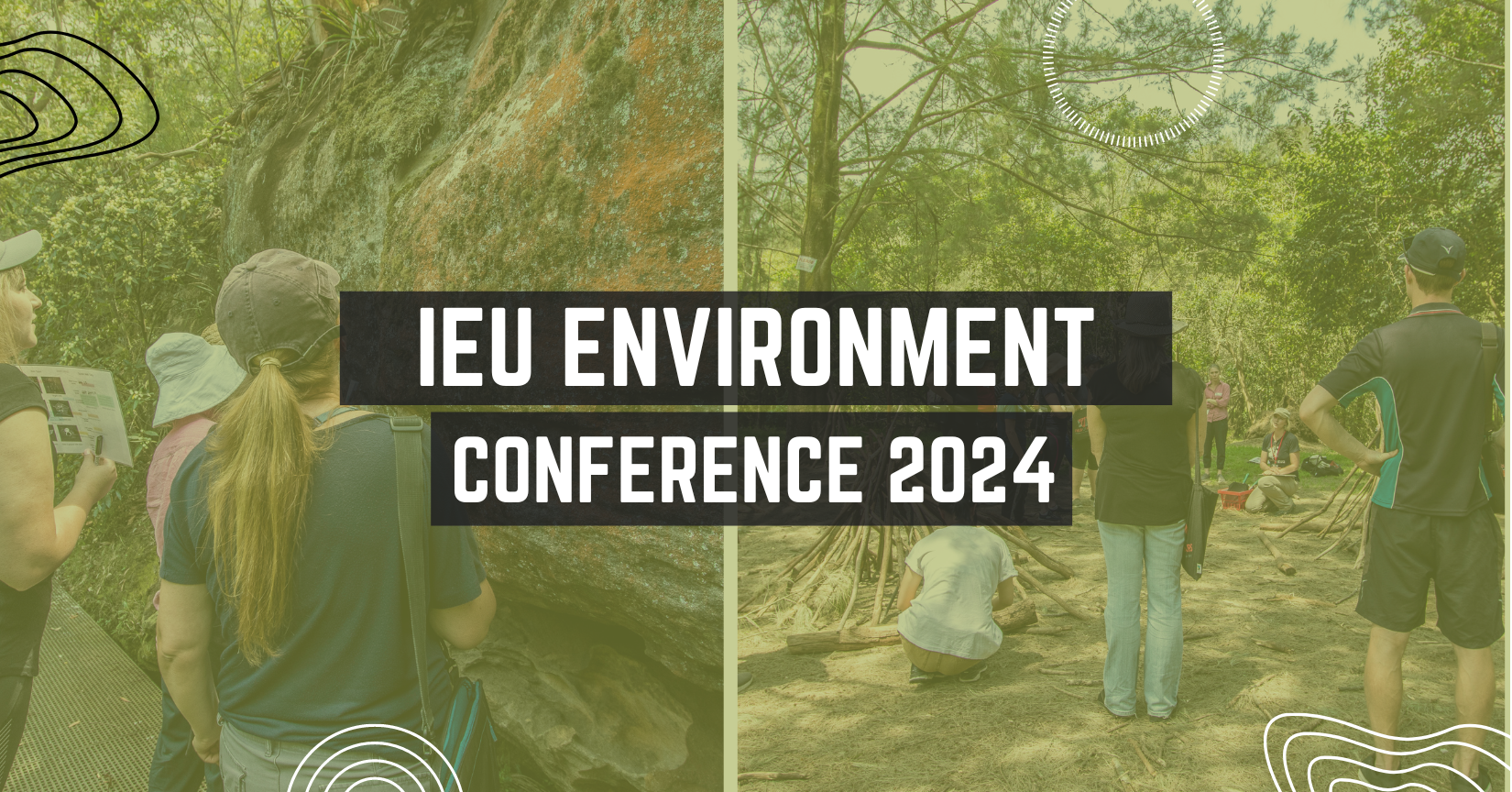
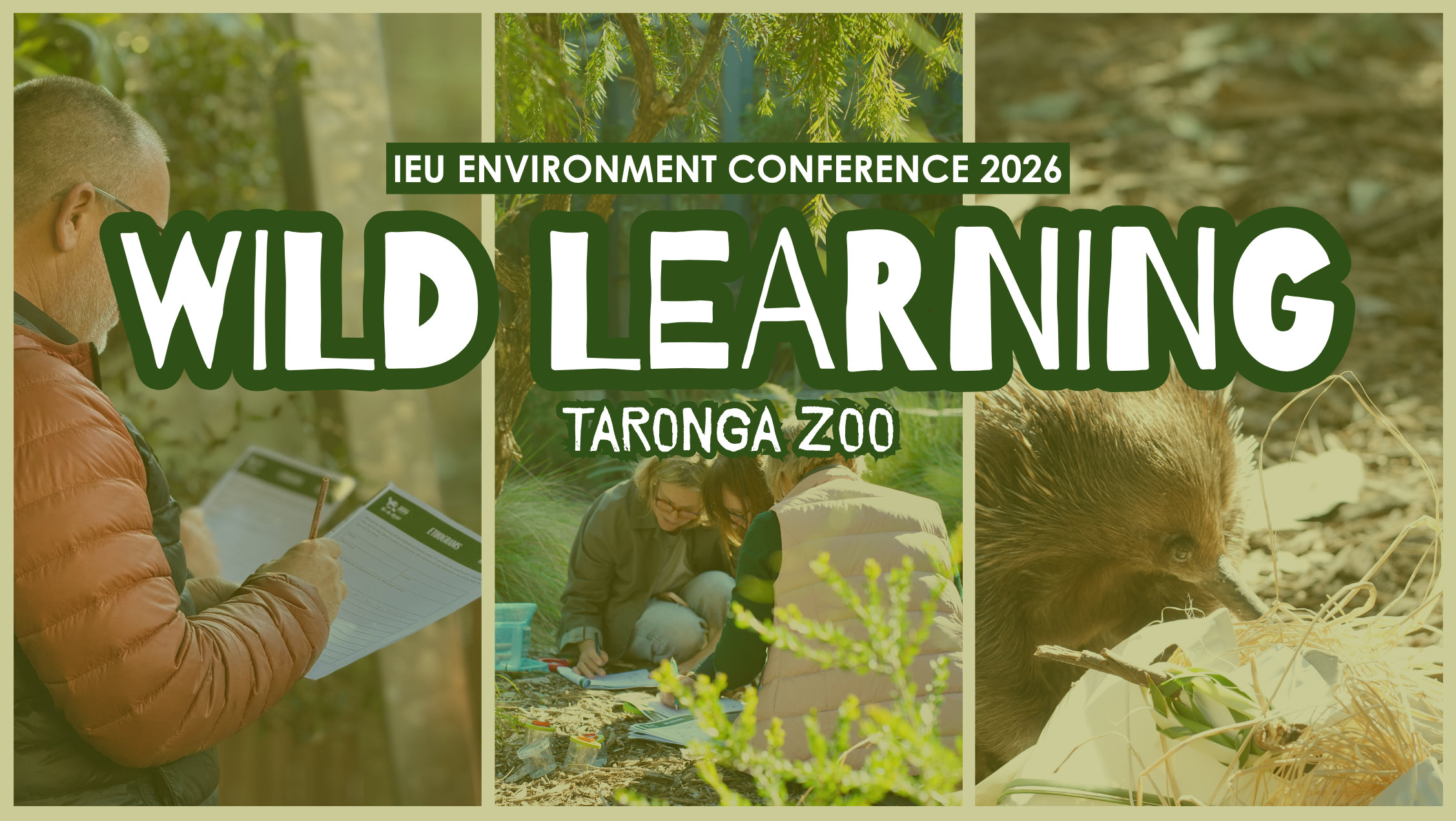
Billed as a day of “Wild Learning”, the conference featured sessions on nature journalling, enrichment design and conducting fieldwork.
Through immersive, hands-on experiences, the professional learning sessions offered members practical teaching tools to take back to their early learning centres and schools.
The sessions also align with the Australian Professional Standards for Teachers.
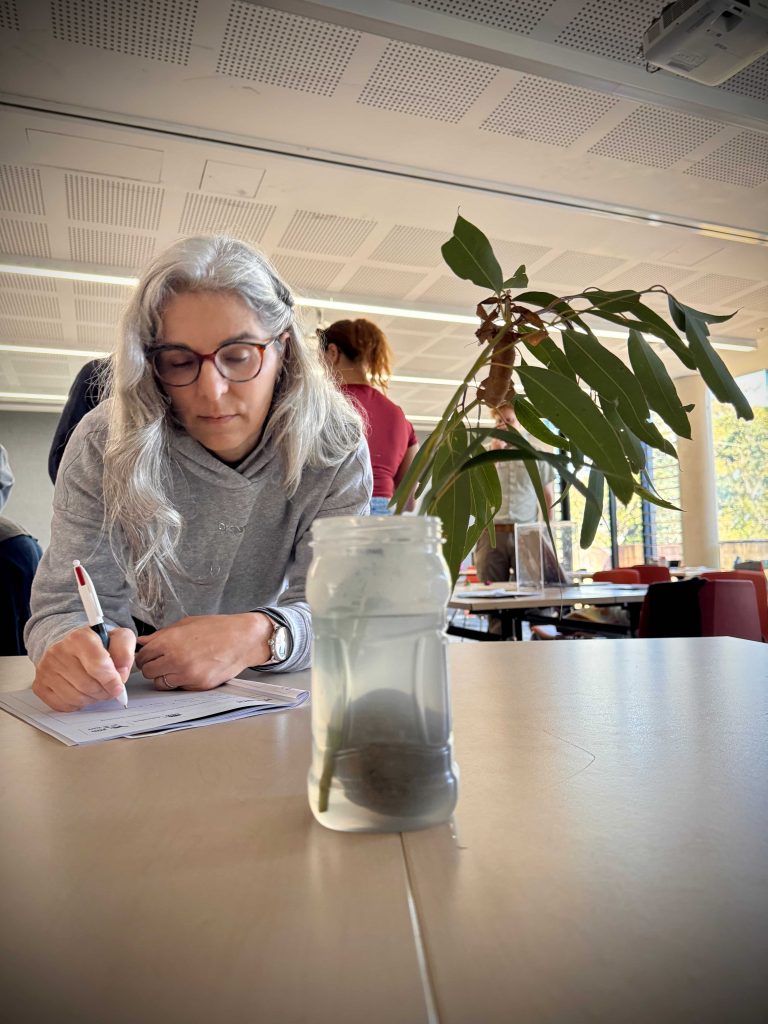
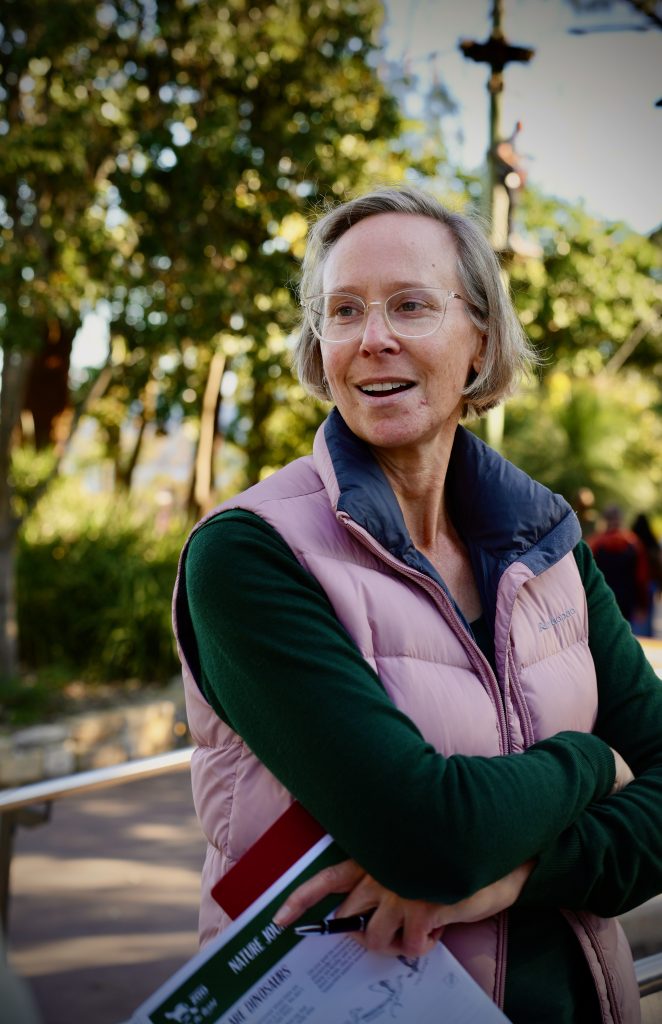
Members such as Karen Chapman and Sandra Frain experienced activities as learners first, before exploring how these approaches could be adapted to different age groups, curriculum requirements and school settings.
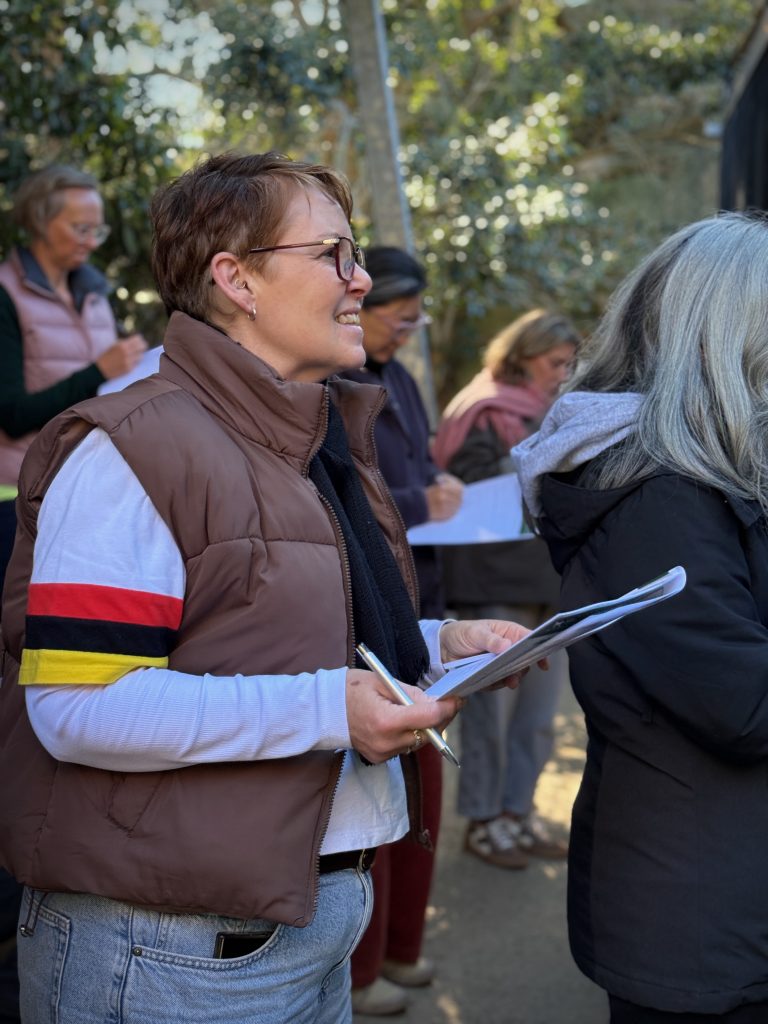
An Aboriginal education teacher at St Therese’s Primary School in New Lambton, Karen said the conference provided valuable ideas.
“I would love to do animal investigations from an Aboriginal perspective,” she said. “I thought this PD would be good to point me in the right direction.”
A teacher at Kamaroi Rudolf Steiner School in Belrose, Sandra said she was excited to be at the zoo with experts working with animals.
“To have an opportunity to bring our students, our colleagues, to interface with nature,” she said. “It deepens our sense of commitment to making this world a better place for our wild animals and all of nature.”
Practical workshops
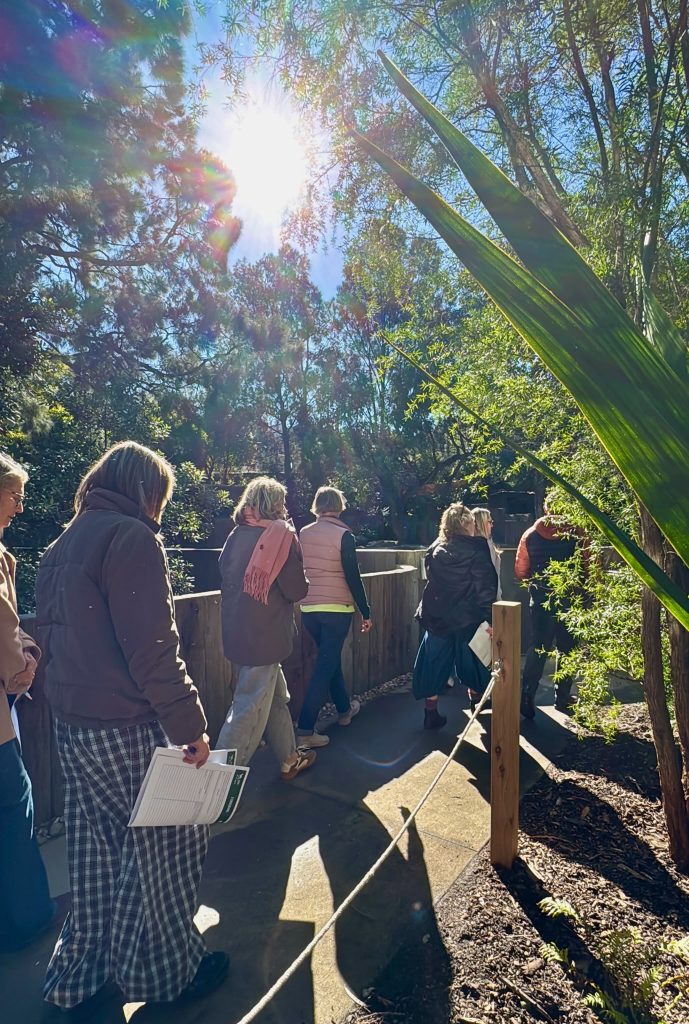
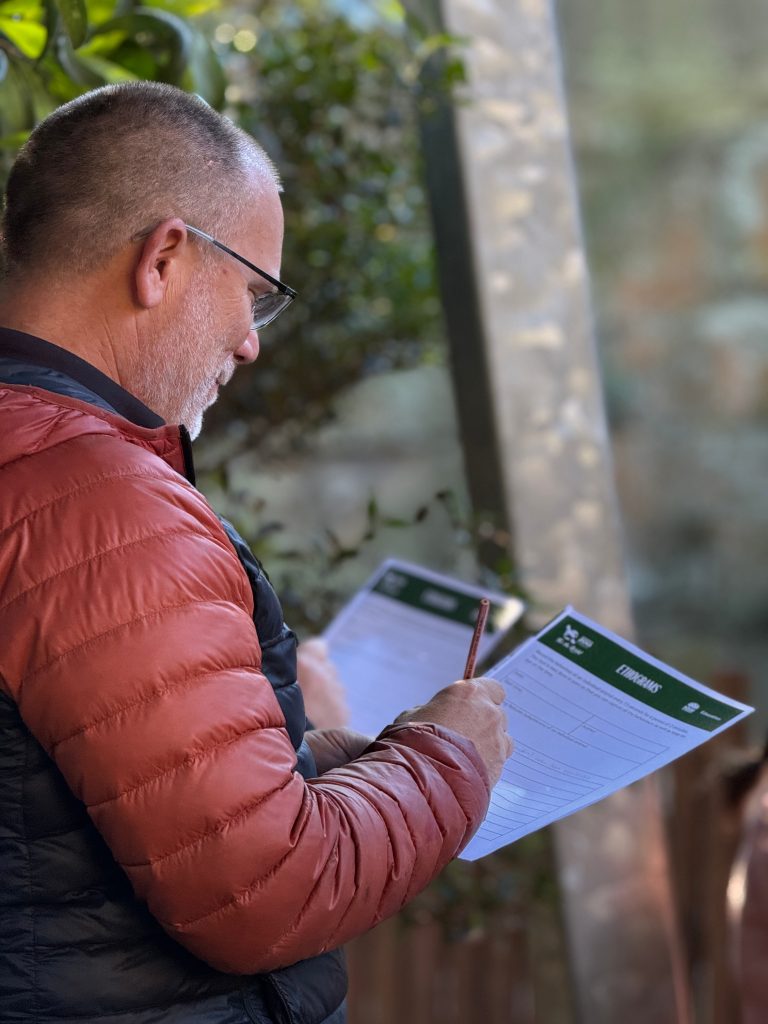
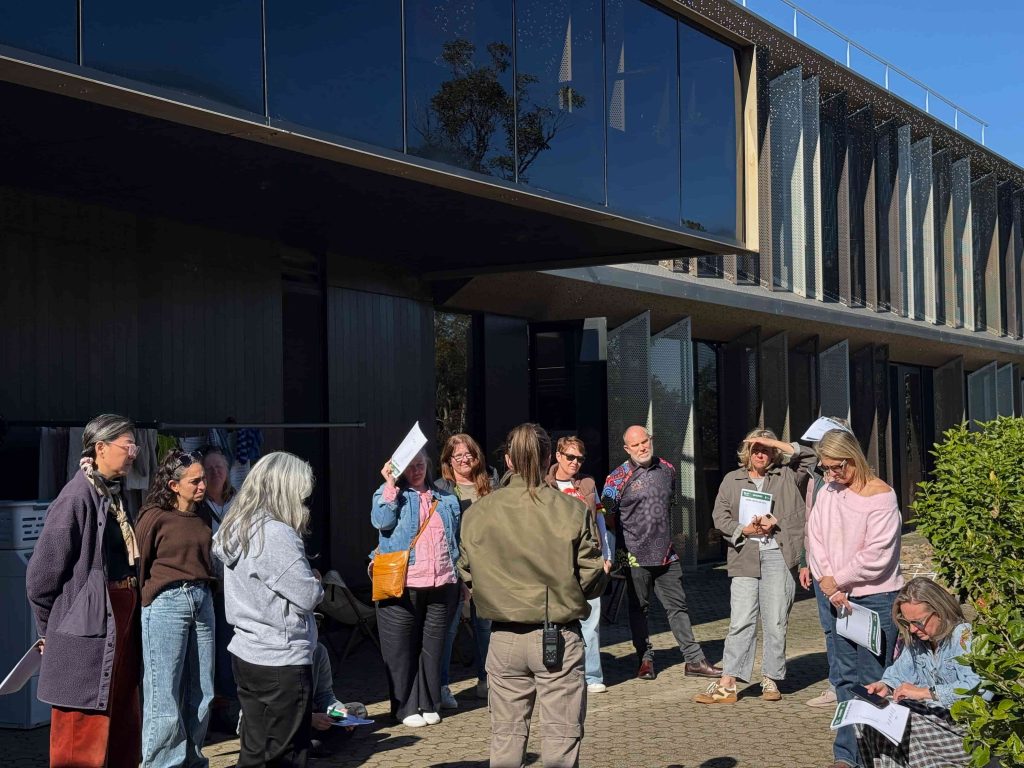
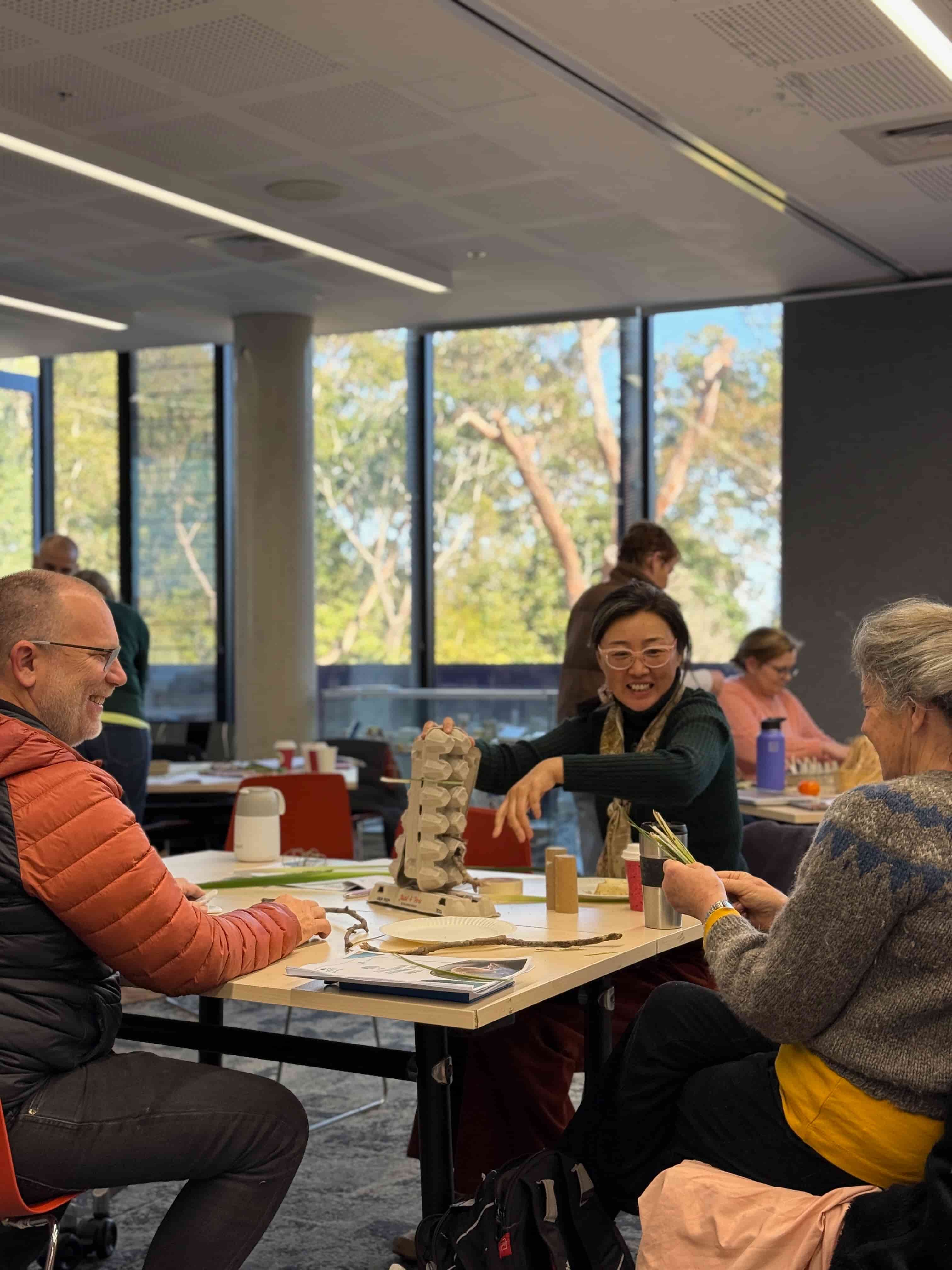
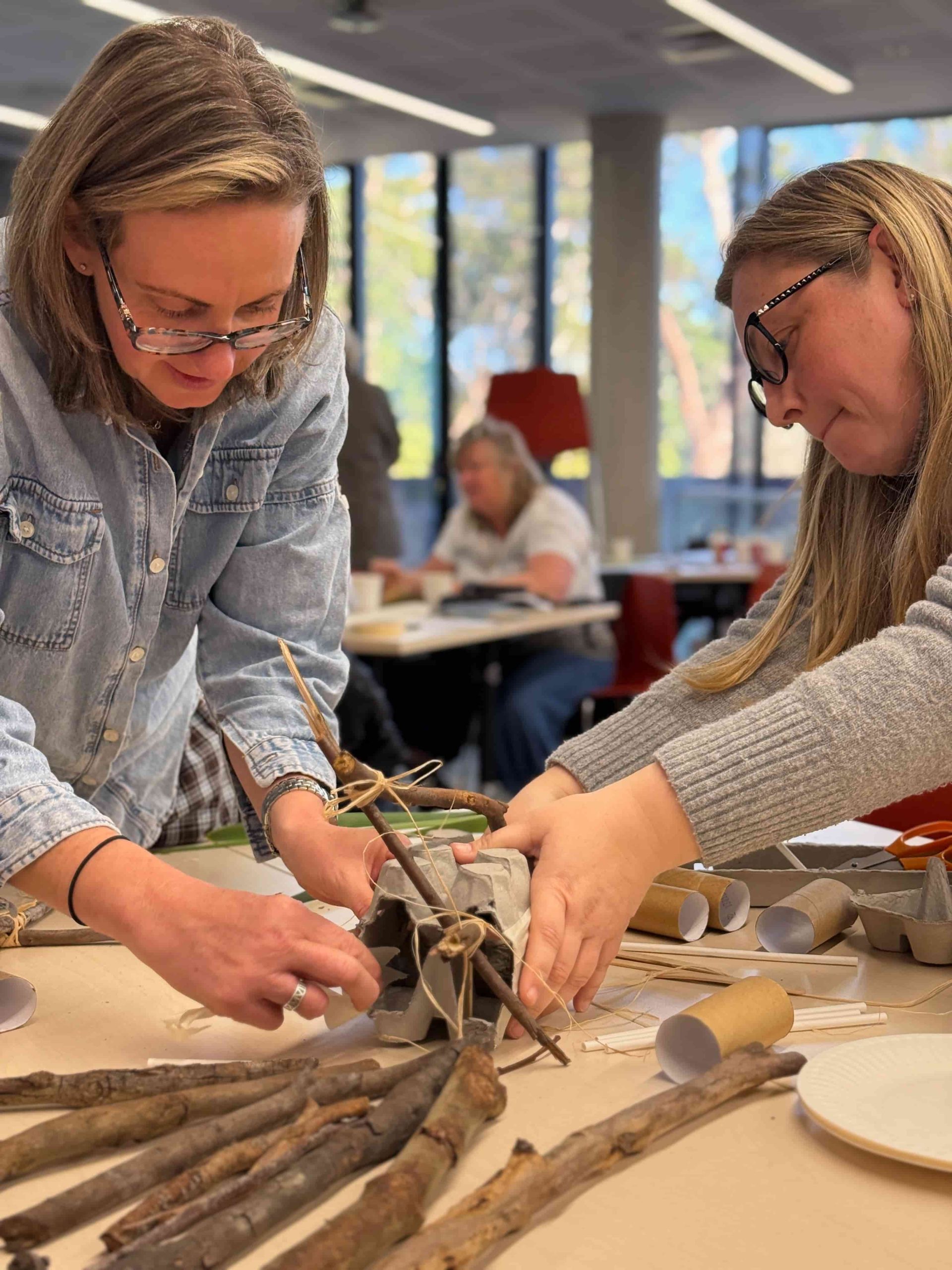
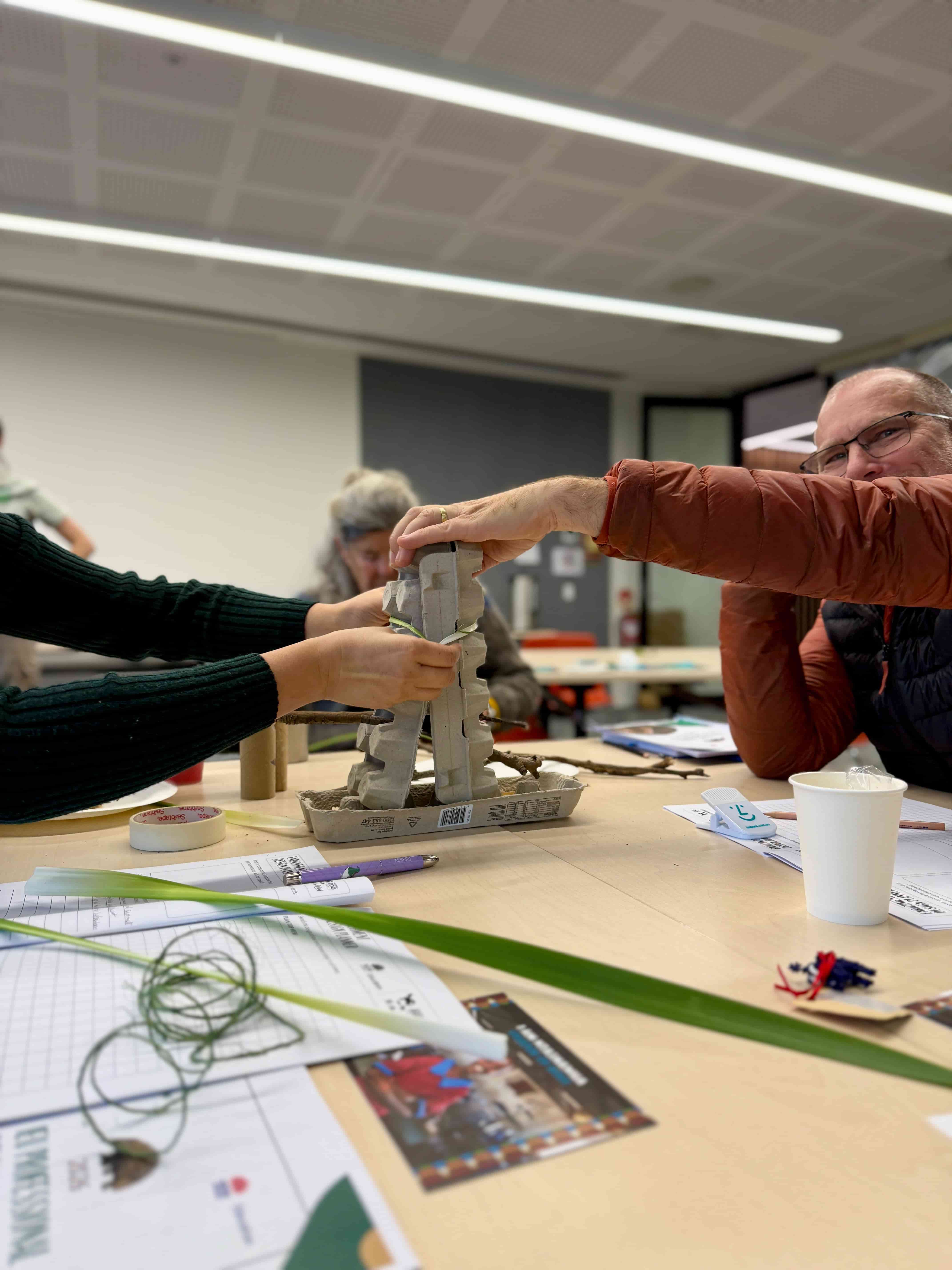
Alexandra began the session on STEM enrichment design by taking members outside to record observations of the zoo’s pygmy marmosets that would inform the design and creation of enrichment objects to stimulate and encourage natural behaviour.
The tiny, furry primates darted along branches high off the ground, ate and gazed intently at their surrounds. Native to the rainforests of South America, they huddled together to ward off the chill of a Sydney winter morning.
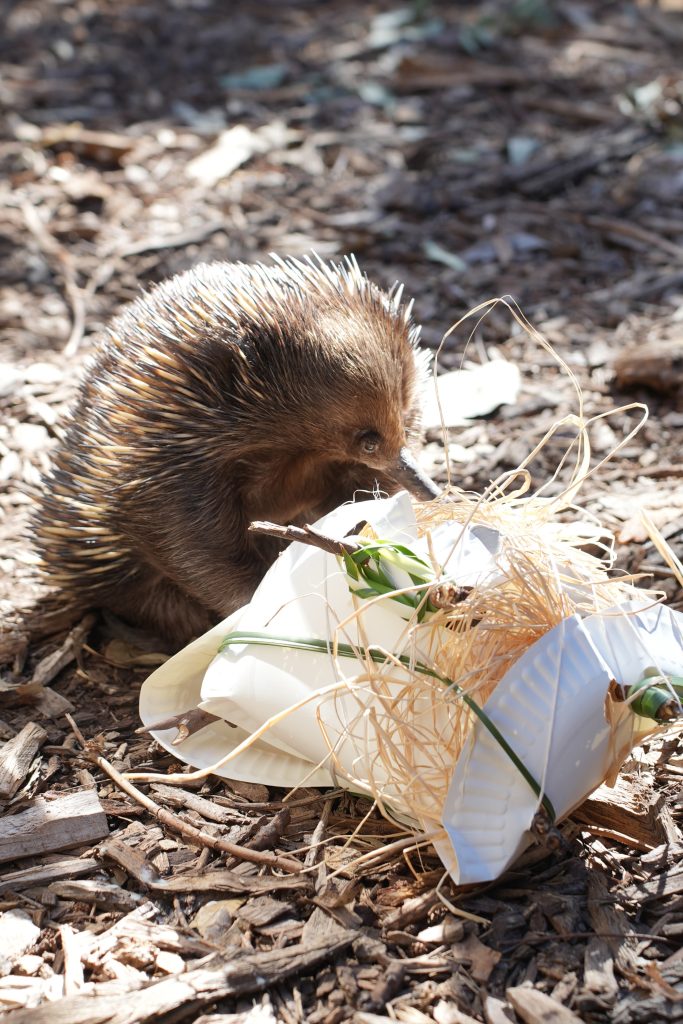
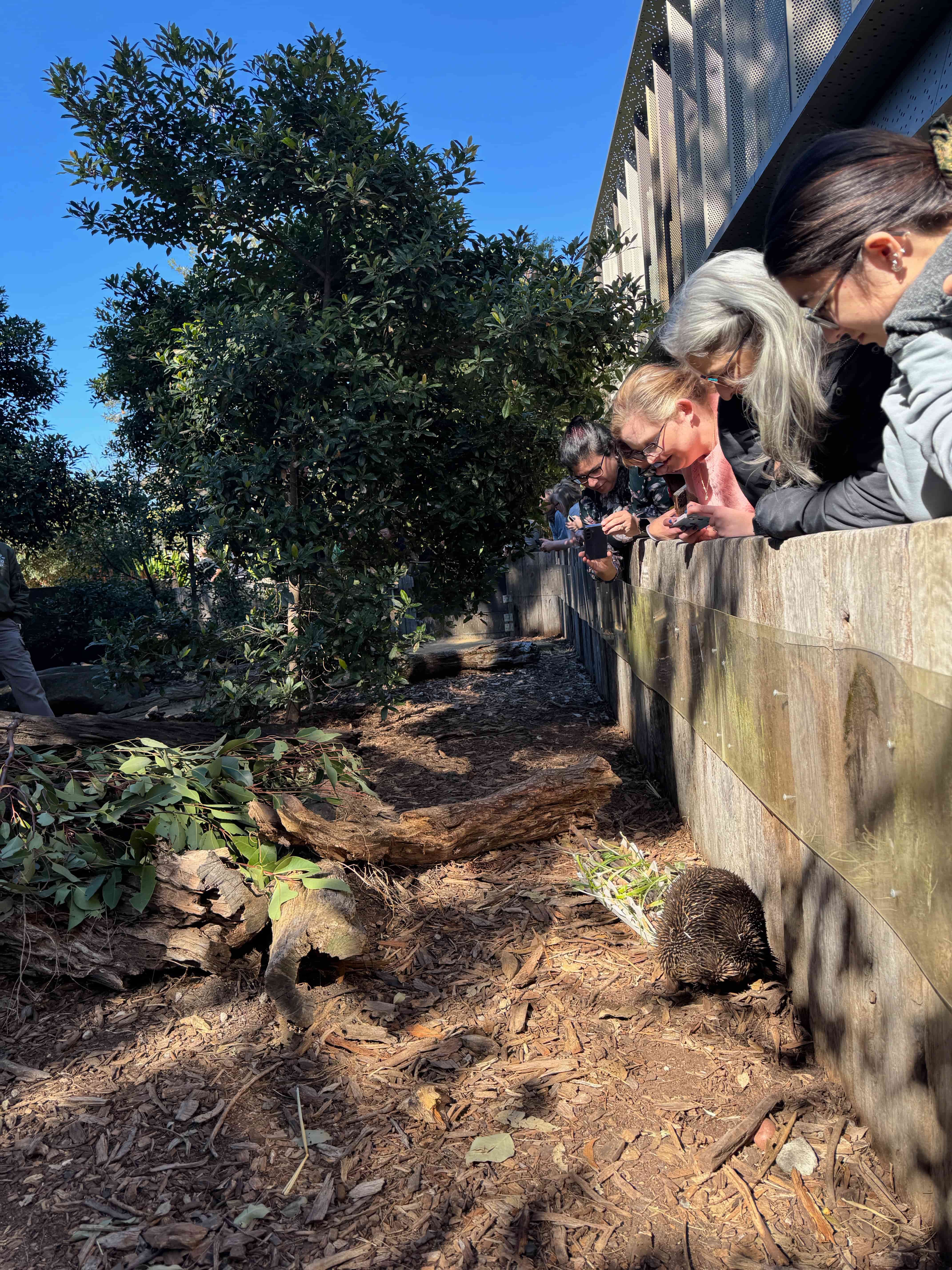
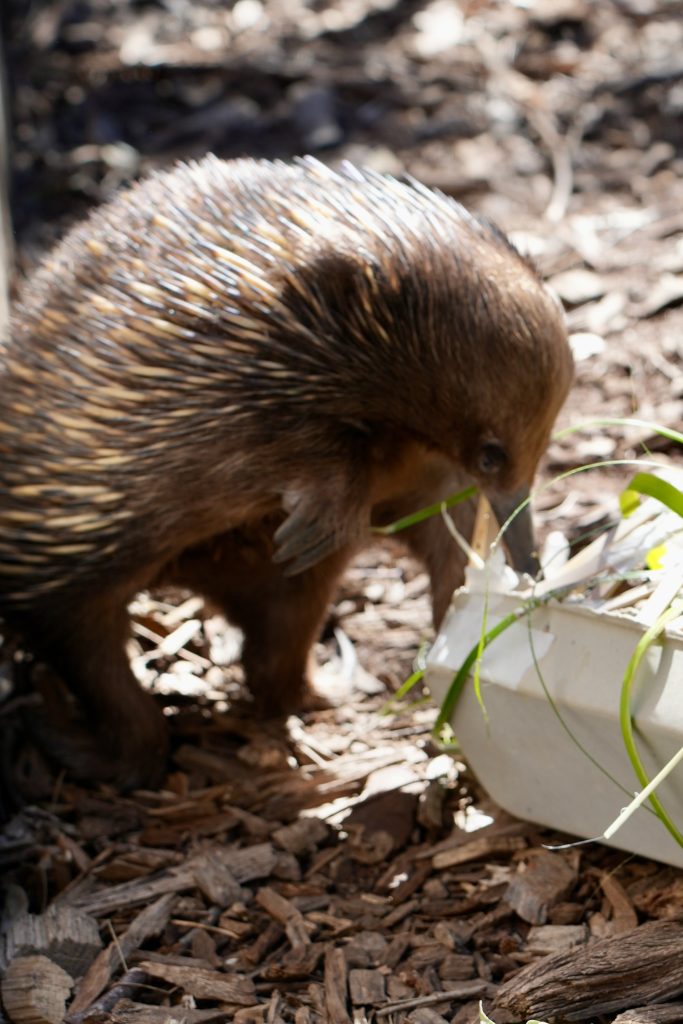
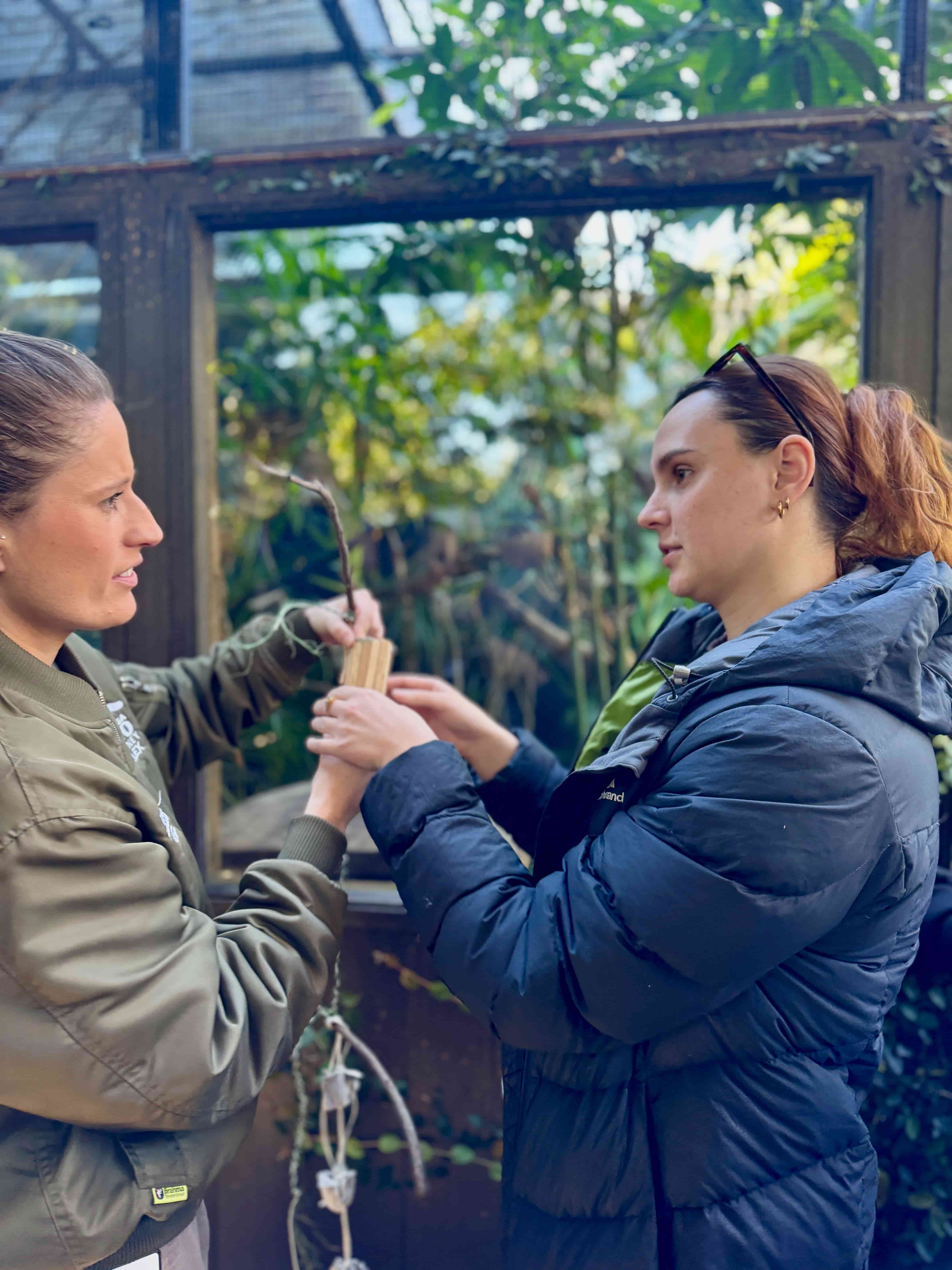
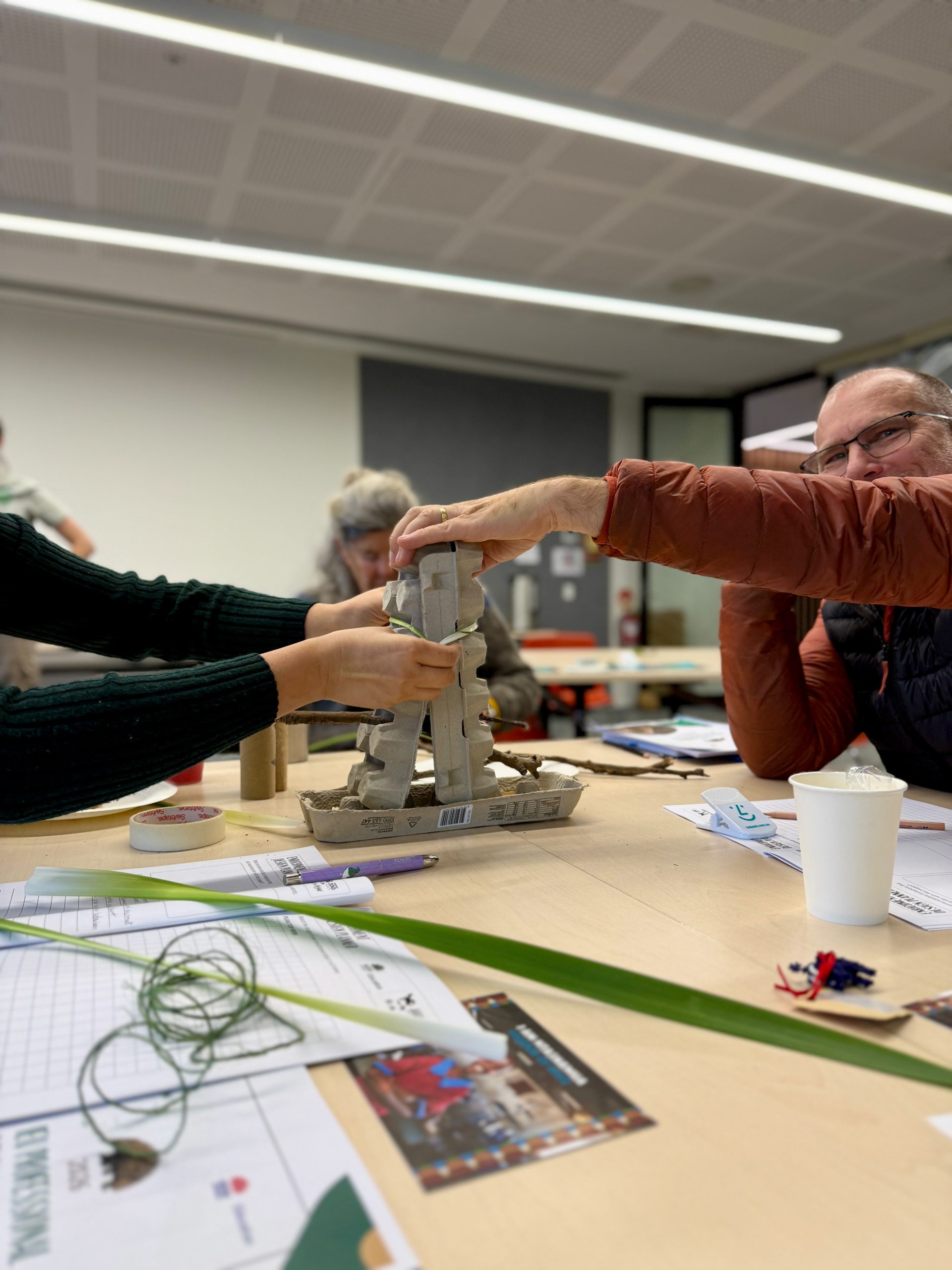
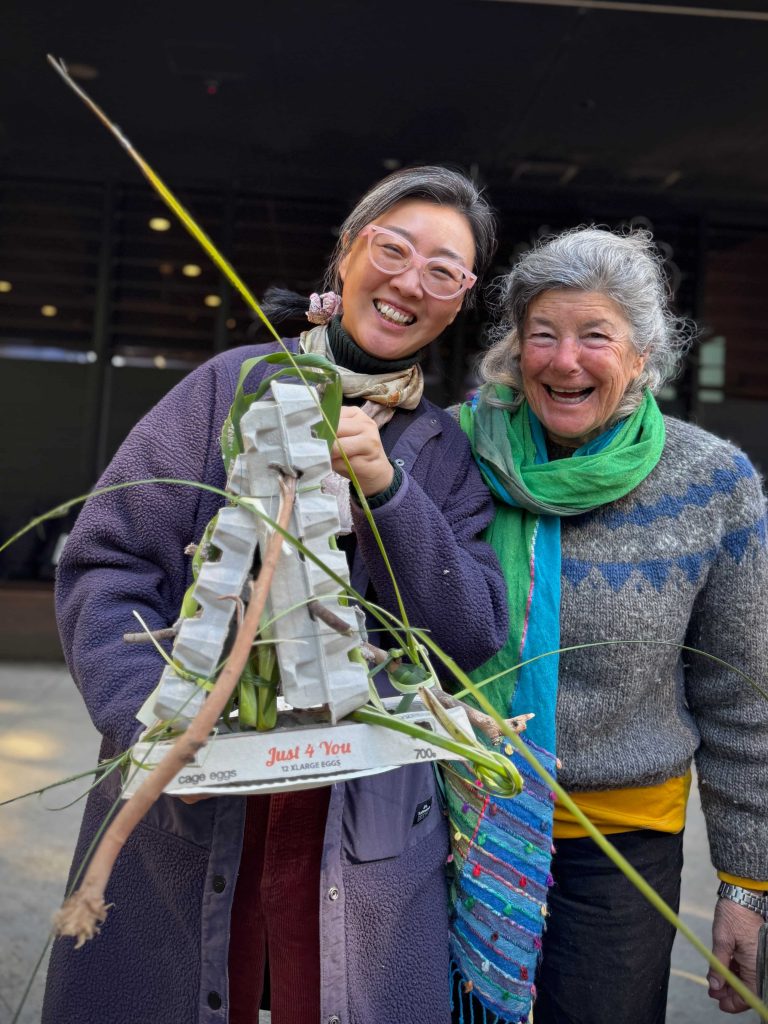
Members then observed echidnas Pippa and Gabby before heading back to the classroom to create enrichment items for the animals using everyday materials such as egg cartons, toilet rolls and string.
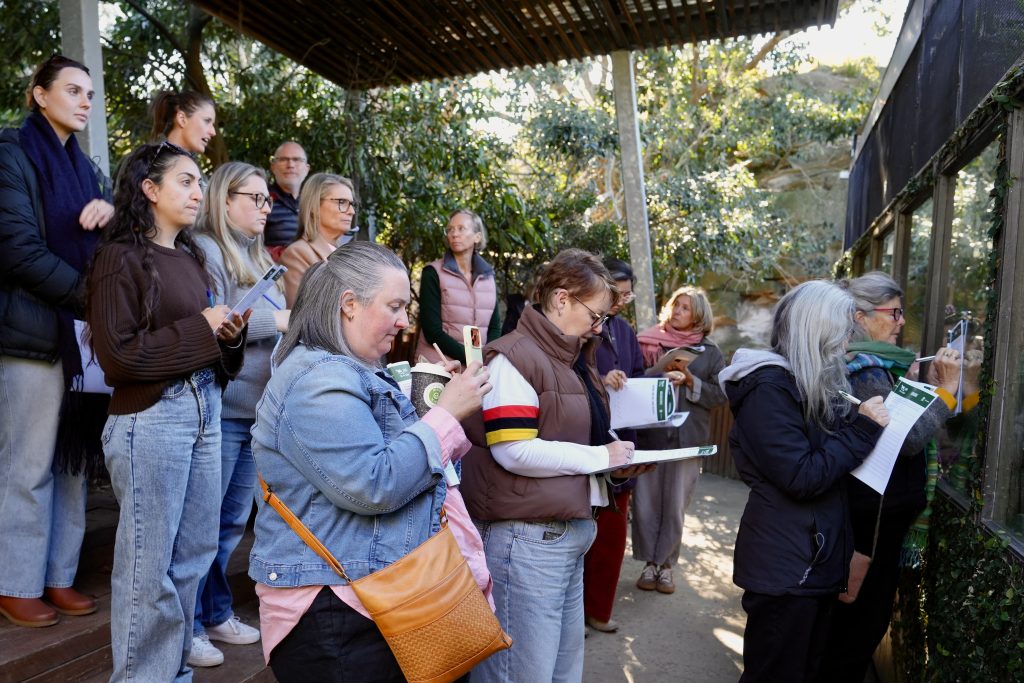
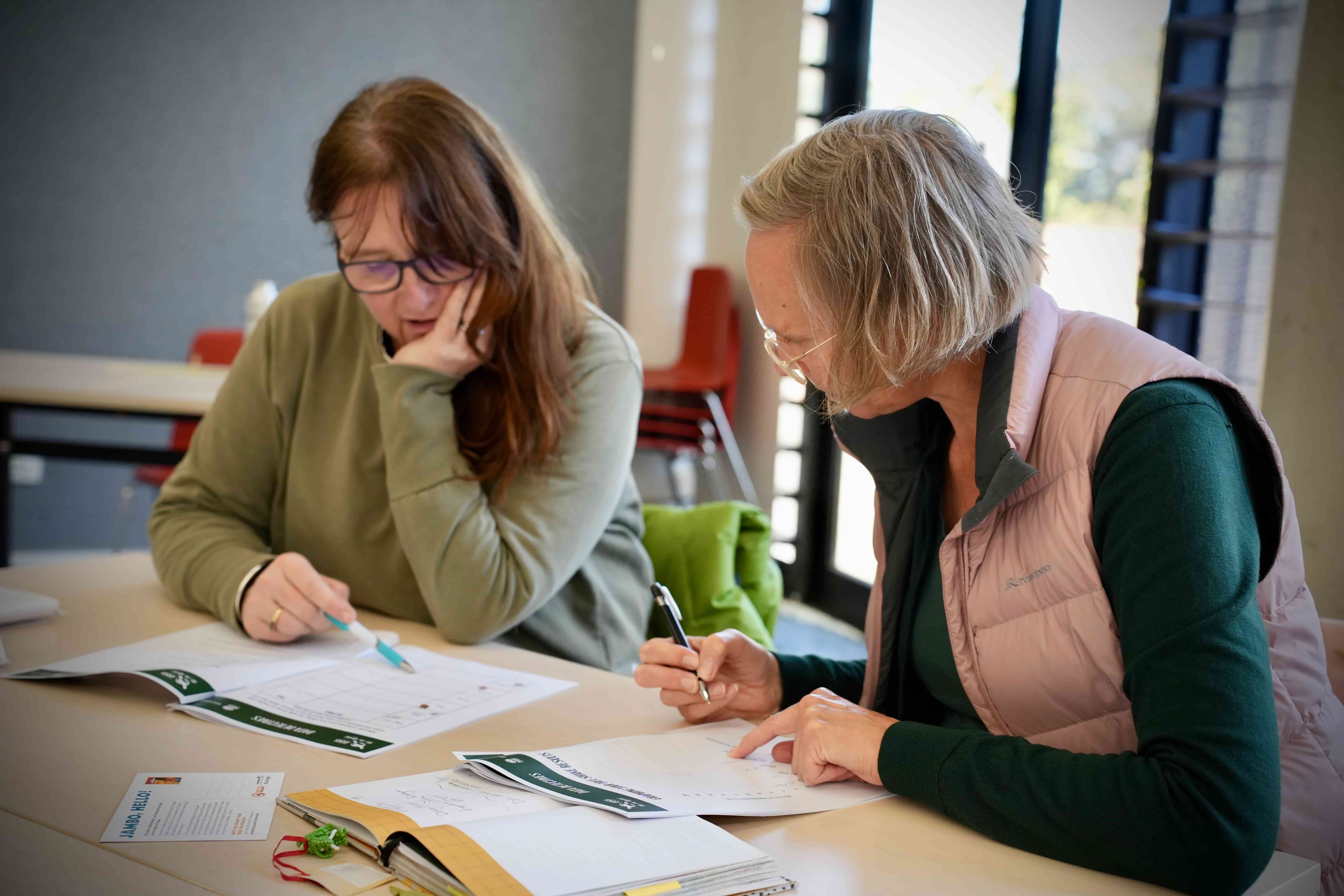
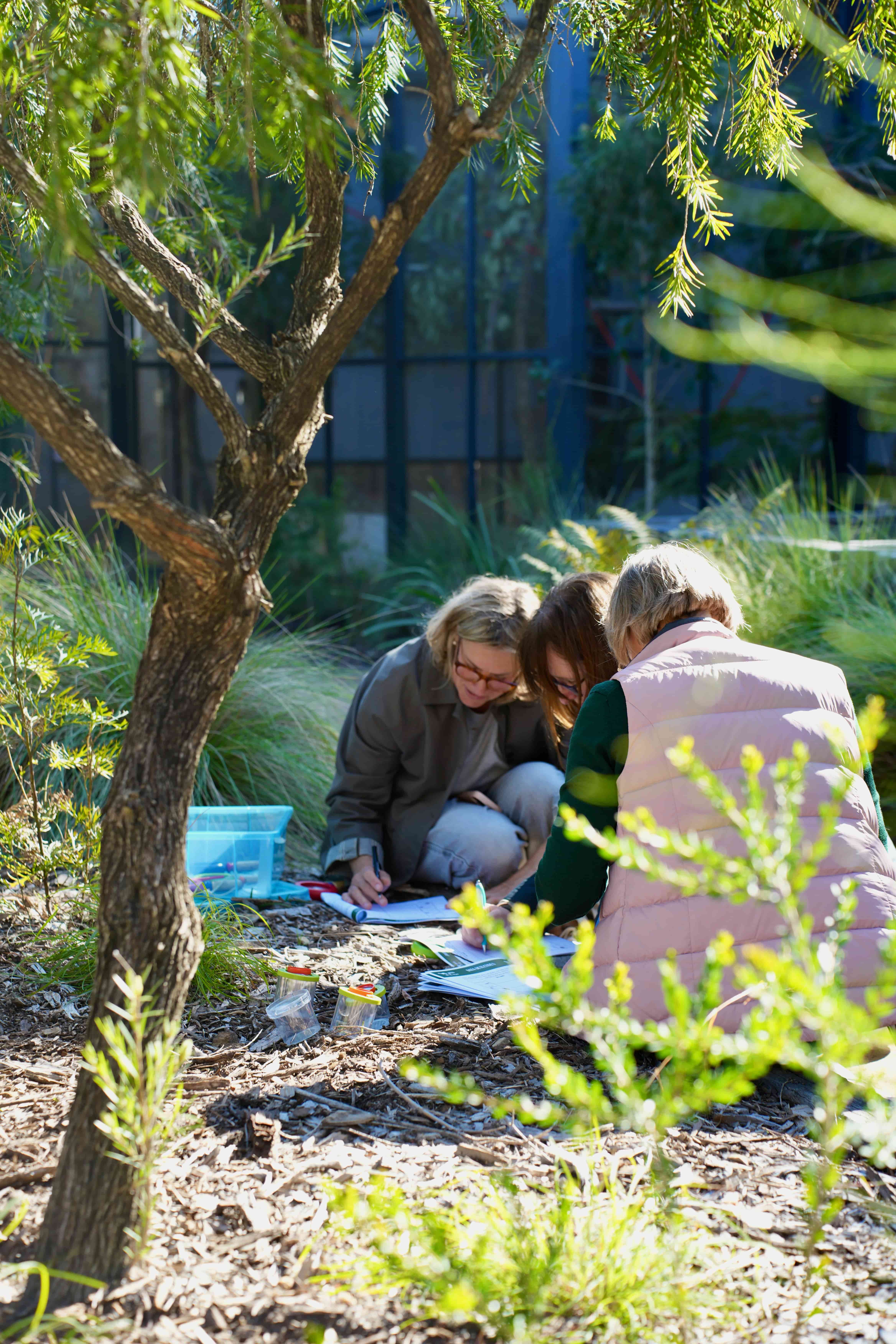
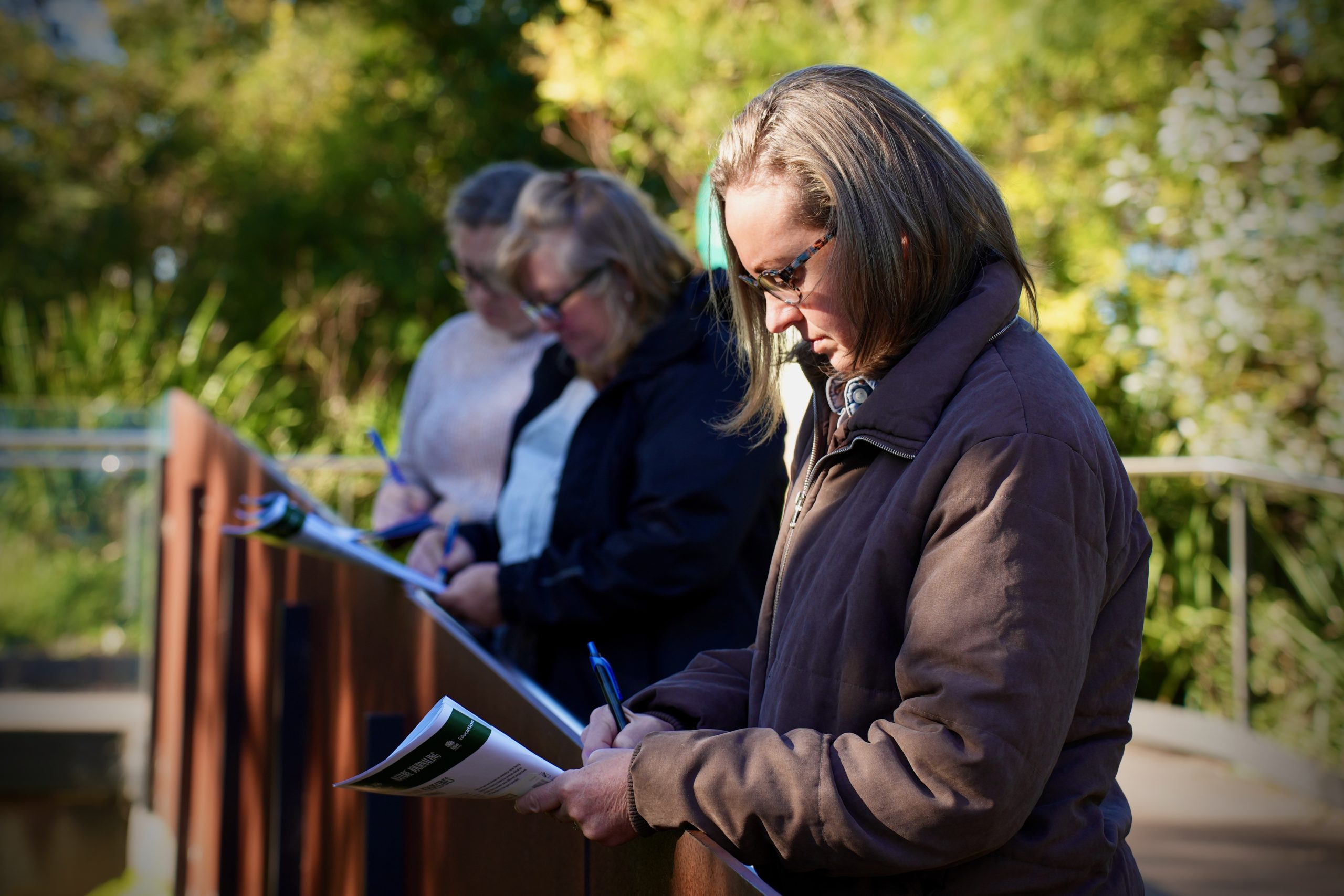
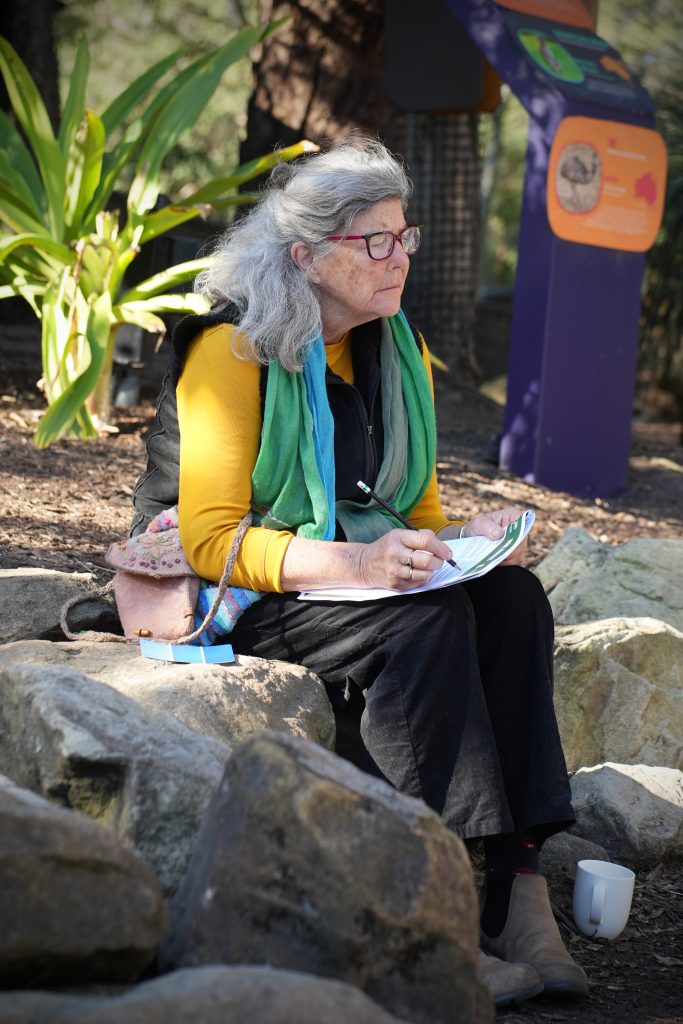
In the afternoon, members ventured into the zoo for practical workshops on fieldwork and nature journalling.
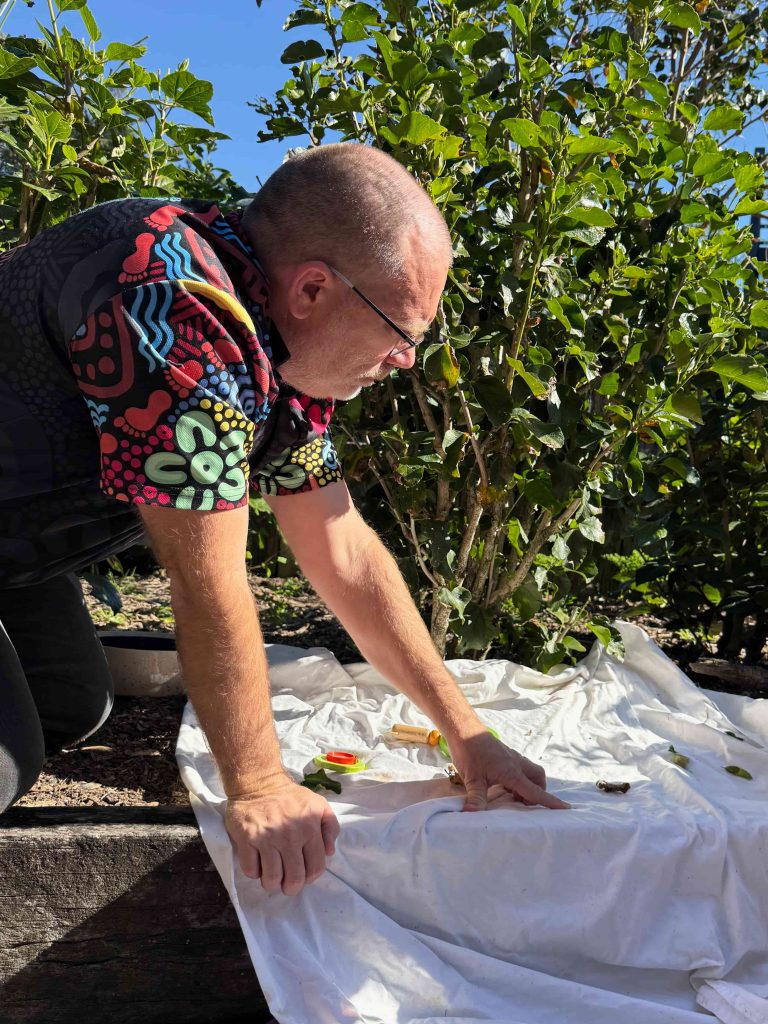
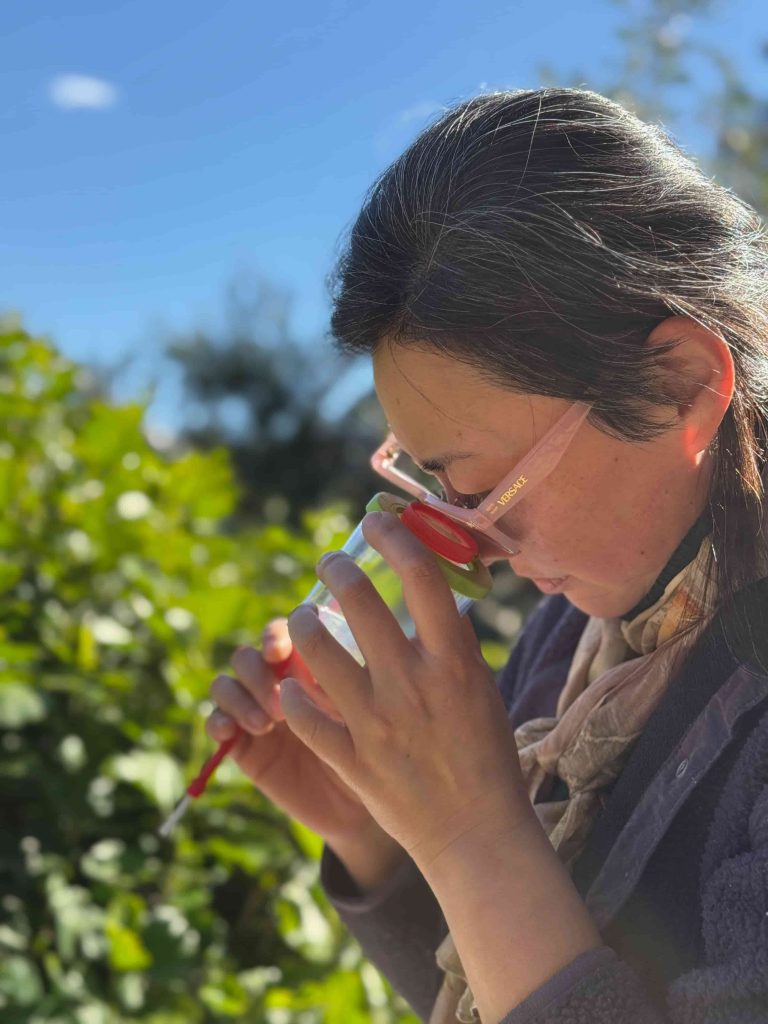
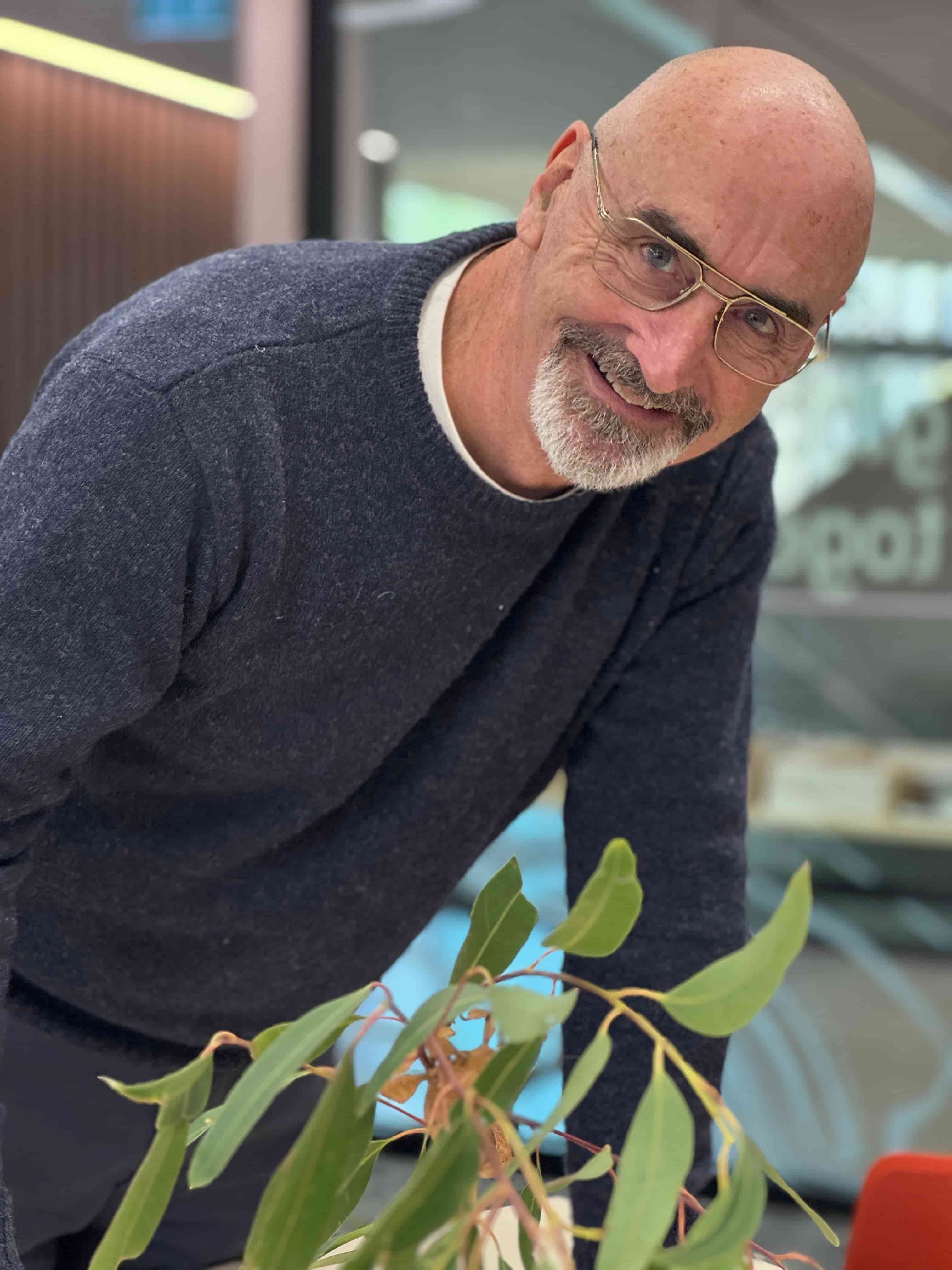
Alexandra’s colleague Ash Mulcahy introduced members to a spider, desert scorpion and spiny leaf insect, which he called the “big juicy chicken nugget of the bush” because it is an important food source for other animals.
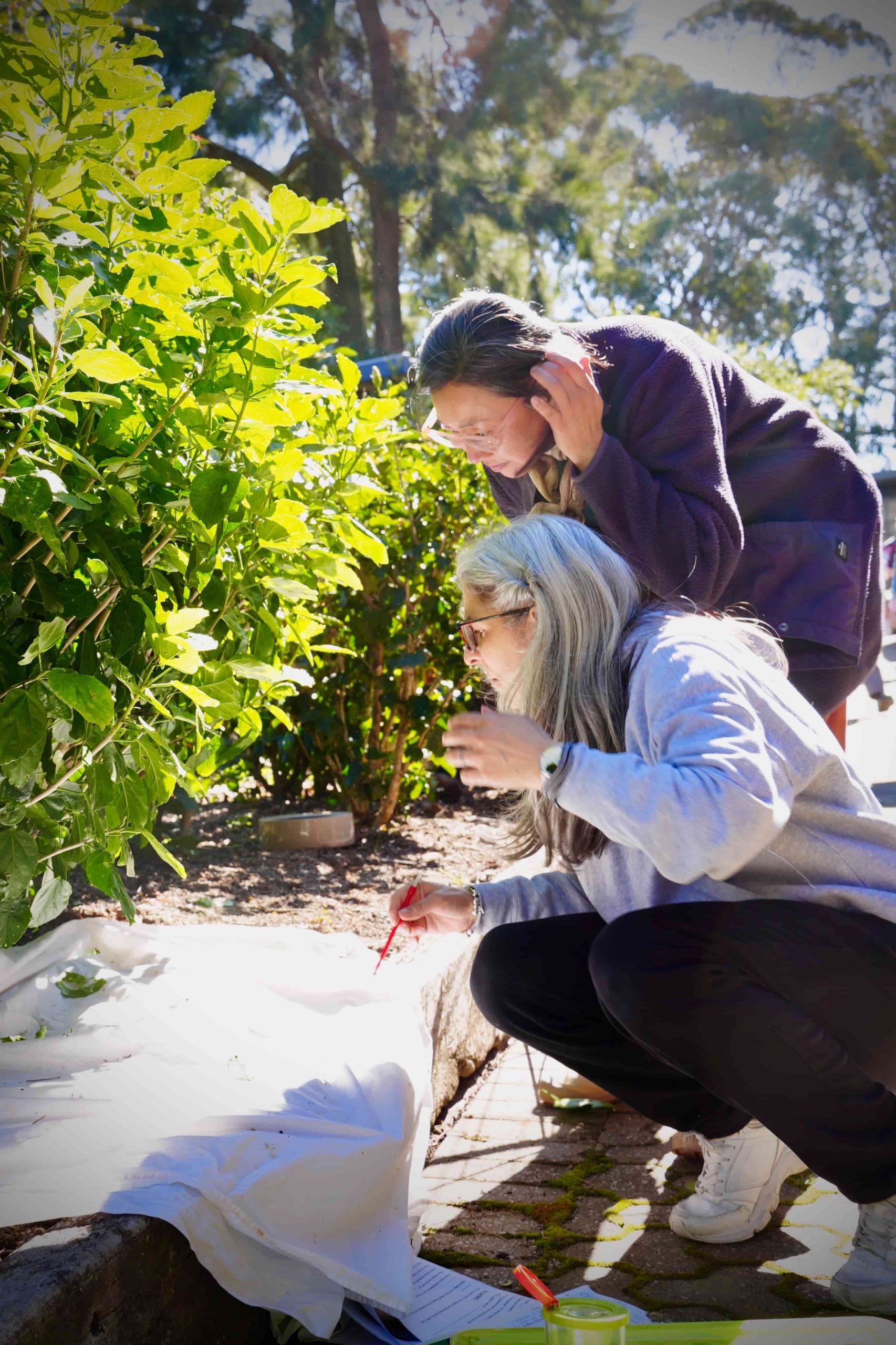
While the zoo is a rich source of data, Ash said fieldwork can just as easily be done in the grounds of a school or preschool.
A simple tree shake or sifting through leaf litter produces data for students to collect and study.
This simple activity can prompt lively discussion of what is present and its role in the ecosystem.
Supporting members
IEU organiser and conference convenor Richard Ryan said it provided practical ideas and activities for members to take back to their classrooms.
“We believe professional development opportunities such as the day of Wild Learning at Taronga Zoo are an important way to support members,” he said.
“It’s crucial that teachers feel confident to teach about the natural world, including engaging methods of collecting, recording and interpreting data.
“These sessions at the zoo demonstrate how engaging and fun these learning experiences can be for teachers and students.”
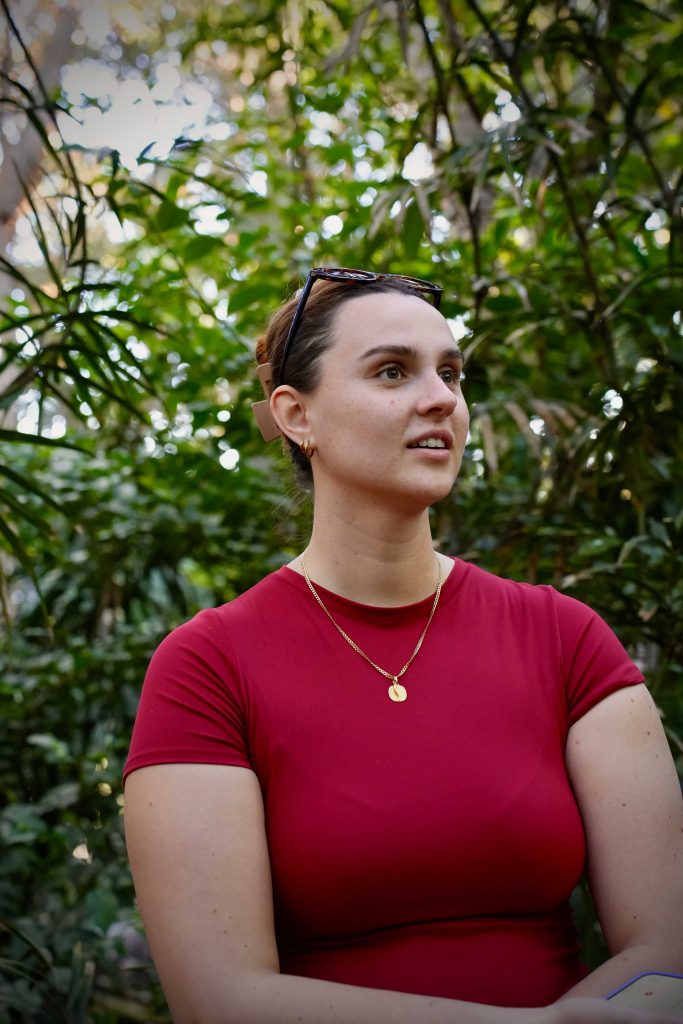
Isabella Rendina, a secondary science teacher at Catherine McAuley Catholic College in Medowie, said the conference was an “awesome opportunity” to work with colleagues and share resources at the zoo.
“There are so many valuable lessons you can learn from stepping outside the classroom, talking to experts and exploring the environment, especially in science,” she said.
Isabella said the session on fieldwork and collecting data provided ideas and activities she could implement in the classroom.
“It was really cool to step into the shoes of a student and experience the excitement and curiosity of hands-on learning,” she said.