Early connections to Country, language and community are vital to the future success and wellbeing of First Nations children, writes Emily Campbell.
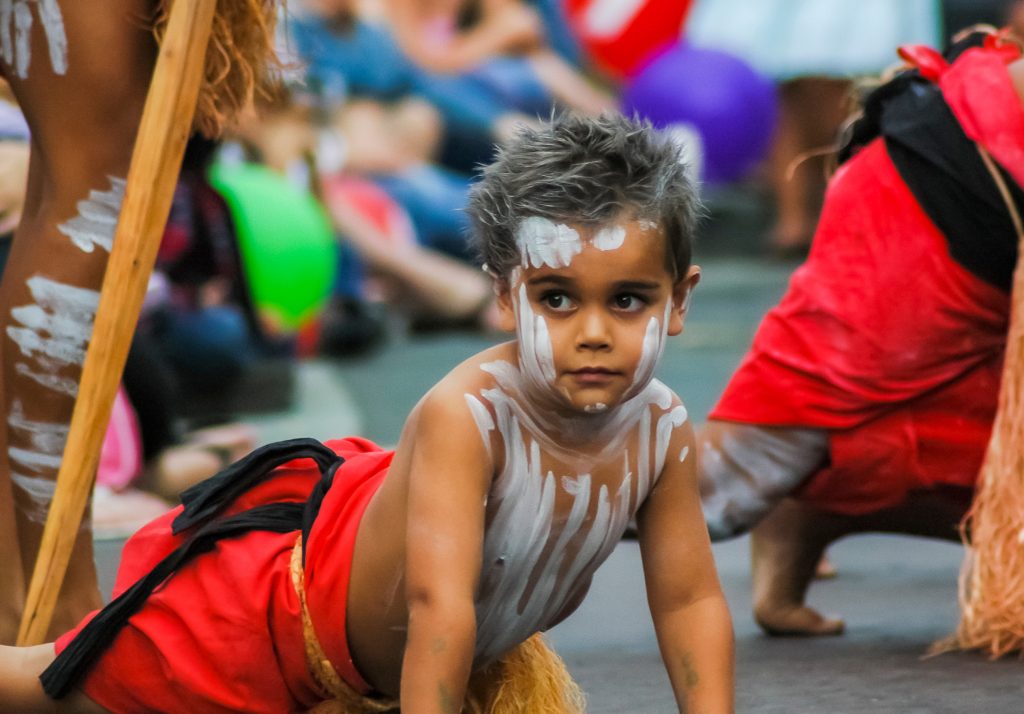
Led by Queensland University of Technology (QUT) researchers, Footprints in time: The longitudinal study of Indigenous children (LSIC) early childhood report reveals what helps First Nations children thrive as they grow up.
QUT Professor Kristin Laurens says the report draws on 14 years of data from more than 1700 children to provide unique insights.
“The Footprints in time study has looked at the experiences of First Nations children starting from early childhood education settings and we are now able to track what this means for them later in life,” she says.
“With families, children and educators having shared their stories over so many years, we can now see clearly how early childhood education experiences continue to shape learning, wellbeing and identity well into adolescence.”
The report’s co-author, Associate Professor Jessa Rogers, says the findings underscore the role of culture in helping children thrive.
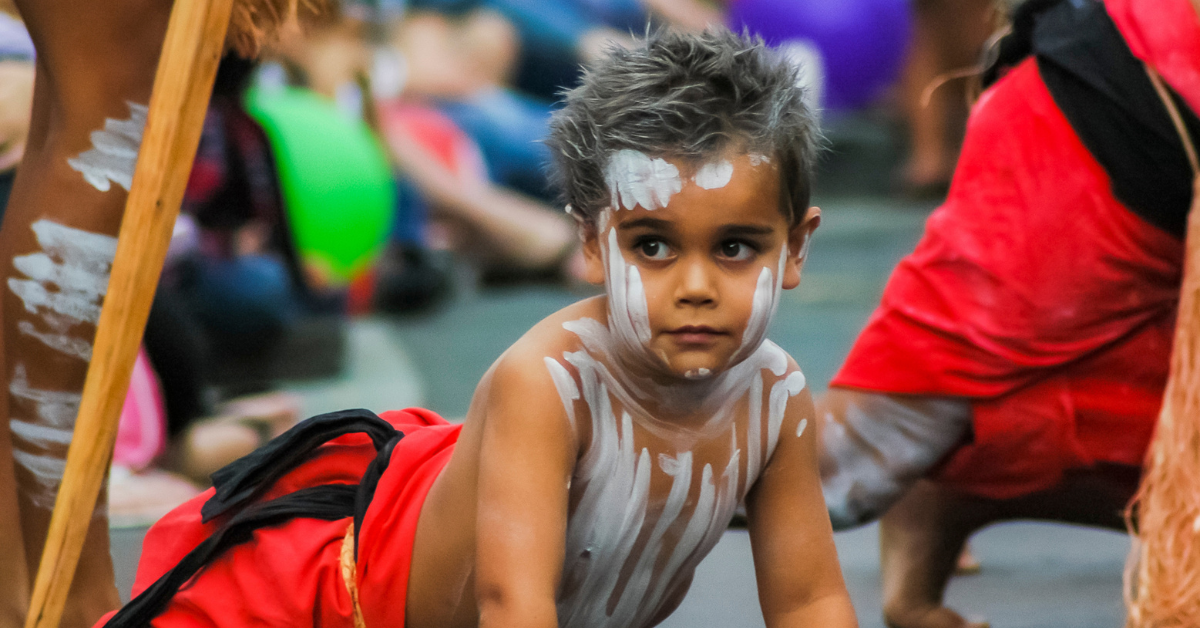
“When First Nations children are connected to culture from their earliest years, they develop stronger social and emotional wellbeing that carries through into their teenage years,” she says.
Cultural connection boosts wellbeing
The Footprints in Time study highlights cultural connection as central to children’s wellbeing, with young people who participate in cultural activities consistently experiencing stronger social and emotional wellbeing.
“This included having a positive outlook, healthy body, strong relationships, higher confidence and greater resilience as they moved through school,” the report said.
Opportunities to speak and learn a First Nations language during early childhood and primary school were
also associated with better outcomes.
Children in remote areas were more likely to take part in cultural activities, speak First Nations languages and maintain connections to Country. Children in urban and regional areas were more likely to attend preschool and playgroups.
“Both sets of experiences are said to be key, with cultural identity, family support and positive early learning opportunities all contributing to stronger outcomes later in life,” the report said.
Dealing with the digital divide
The report also found First Nations children face digital inequality, with data from 2011 and 2013 showing only 37 per cent of children were using the internet at home.
Fifty-six per cent of those in major cities reported having internet access but in very remote areas only 8 per cent of children had internet access.
First Nations children with early internet access had stronger reading comprehension, better problem-solving skills, greater confidence with technology in adolescence and safer online habits.
Other key findings show children thrived when their parents felt supported and confident in their roles and positive teacher connections helped build confidence and engagement throughout primary and high school.
Greater investment needed
The researchers made several recommendations based on their findings, which include:
- expanding culturally responsive playgroups and parenting programs
- strengthening opportunities for learning First Languages
- growing the First Nations workforce
- ensuring equitable digital access for families in all regions.
They say the findings show that what happens before children start school has lasting impacts. Governments and education systems must do more to embed culture and language in early learning, tackle racism in schools, support families, resource communities and bridge the digital divide.
“This research shows that when children are supported to grow up strong in their culture, their families and their learning, they carry that strength into every part of life,” Laurens says.
Read the Footprints in time report: bit.ly/4rKI3Xb
Published in the June 2026 edition of Bedrock.