PD: Navigating the ‘manosphere’
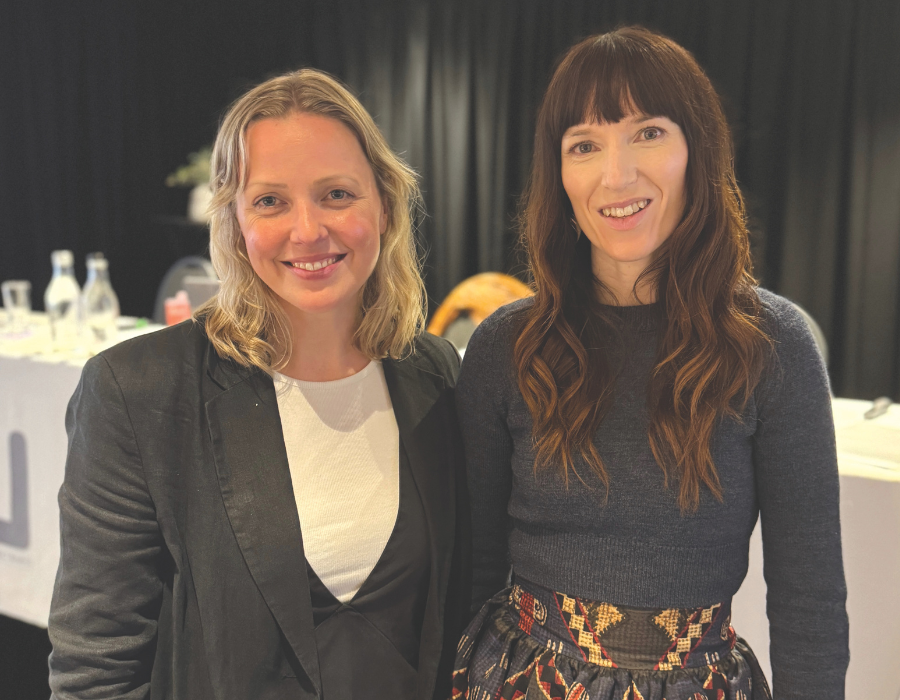
Join Dr Stephanie Wescott and Dr Naomi Pfitzner for a special IEU online professional learning session to support teachers in responding to manosphere harms.
Date: 19 August
Time: 5pm to 6.30pm
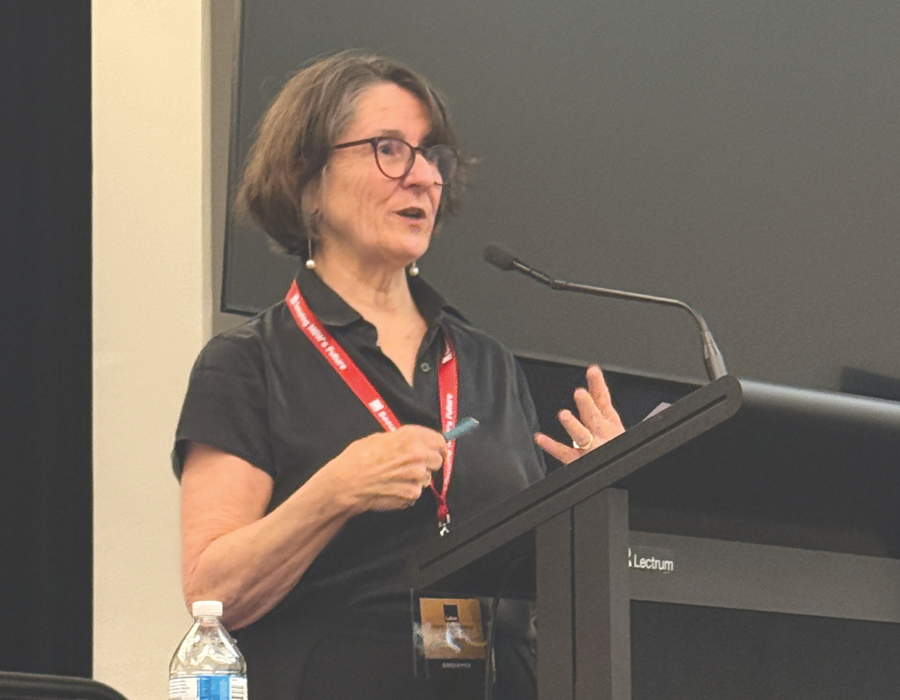
Monash University academics Dr Naomi Pfitzner and Dr Stephanie Wescott presented research findings on disrupting the manosphere’s influence on students to more than 100 delegates at the IEU’s quarterly Council meeting on 20 June.
In 2021, Wescott led a world-first study examining how manosphere ideologies were manifesting in school classrooms.
In the years since, reports have continued to emerge from schools across Australia and around the world that paint a troubling picture of escalating sexist and misogynist behaviours among students.
Alongside this, a growing body of research has documented a troubling pattern. “Rigid ideas about masculinity, gender roles, and men’s inherent superiority over women are becoming increasingly visible in the attitudes of young Australian men,” Wescott said.
These attitudes are impacting school staff and students.
But there is hope. “Research shows schools can be powerful drivers of social change,” Pfitzner said.
“At a time when these attitudes are gaining ground among some young men, our work aims to provide an evidence base to support teachers to act.”
Research-based professional learning program
Pfitzner and Wescott started by talking with secondary school students about how they engage with the manosphere and how it impacts their lives in and outside of schools.
The academics also asked students how they think schools should respond to manosphere-related behaviour.
“There are a lot of adult-imposed strategies around social media and we wanted to centre the views and experiences of young people themselves,” Pfitzner said.
“Drawing on this information, we then worked with secondary school teachers to develop a pilot professional learning program.”
The team also conducted a review of international research literature to capture what is known about how the manosphere is shaping young people’s identities, relationships and engagement with school.
What teachers are saying
“Remarkably, the stories teachers tell us are similar across sectors, contexts and levels of experience,” Wescott said.
“Teachers talk about a swift and sudden shift in boys’ attitudes and behaviours towards women and girls, culminating in expressions of sexism, misogyny, violence and sexual harassment.”
This shift coincides with manosphere content multiplying in boys’ social media algorithms.
On social media, manosphere influencers often initially attract young men with content about fitness, status symbols such as watches and cars, or success at study and career. As young men engage with this content, it steadily shifts towards harmful attitudes about girls and women.
“Manosphere talking points are now being parroted in classrooms and schools across the country,” Pfitzner said.
This has led to challenging conditions for teachers who are navigating hostility, harassment and abuse in their workplaces.
“These are serious harms,” Pftizner said. “Effects range from psychological distress to teachers leaving their workplace or even their careers.
“Based on our work and that of colleagues internationally, the manosphere has profoundly changed the working lives of many teachers.”
Teacher experience and expertise essential
Despite differences in context and settings, the harms of the manosphere manifest in strikingly similar ways.
“It really speaks to the power of manosphere ideas and how successful they are in recruiting boys and young men into adopting these beliefs and ideas,” Wescott said.
The researchers welcome the willingness of teachers to engage with the research and contribute their experience and expertise.
“It is because of this willingness that we have been able to do this work, and we are very grateful to them,” the researchers said.
New guide grounded in research
Pfitzner and Wescott have developed a guide as part of a professional learning program they deliver in schools across Australia. Their team has devised interventions that have been delivered to 242 participants across 33 non-government schools.
“Our goal is to help teachers recognise and interpret manosphere-influenced language and behaviours and provide them with the knowledge to respond effectively,” Pfitzner said.
Key takeaways for tackling the manosphere
- Research in Australia and around the world has recorded manosphere harms in schools.
- Manosphere influence and harm is consistent across schools –it is not specific to the conditions or culture of your school – but it is important to respond firmly and consistently.
- Professional development for teachers is crucial to ensure they feel confident to embed violence prevention practices into their schools and classrooms.
- School employers and have a positive duty to address sexual harassment and provide a safe work environment for teachers and school staff.
- Respectful Relationships Education: bit.ly/3Qzzyki
- Download An Introductory Guide to the Manosphere and the Impacts for Young People, Teachers and Schools: anrows.org.au/resources/guide-to-the-manosphere/
More information
Read more about the IEU PD session and register
If you would like Dr Naomi Pfitzner and Dr Stephanie Wescott to run their PD in your school, email: naomi.pfitzner@monash.edu
Published in the July 2026 edition of Newsmonth.